
Where Nutrition Tracking Goes Wrong - and Why Precision Isn't Always the Goal

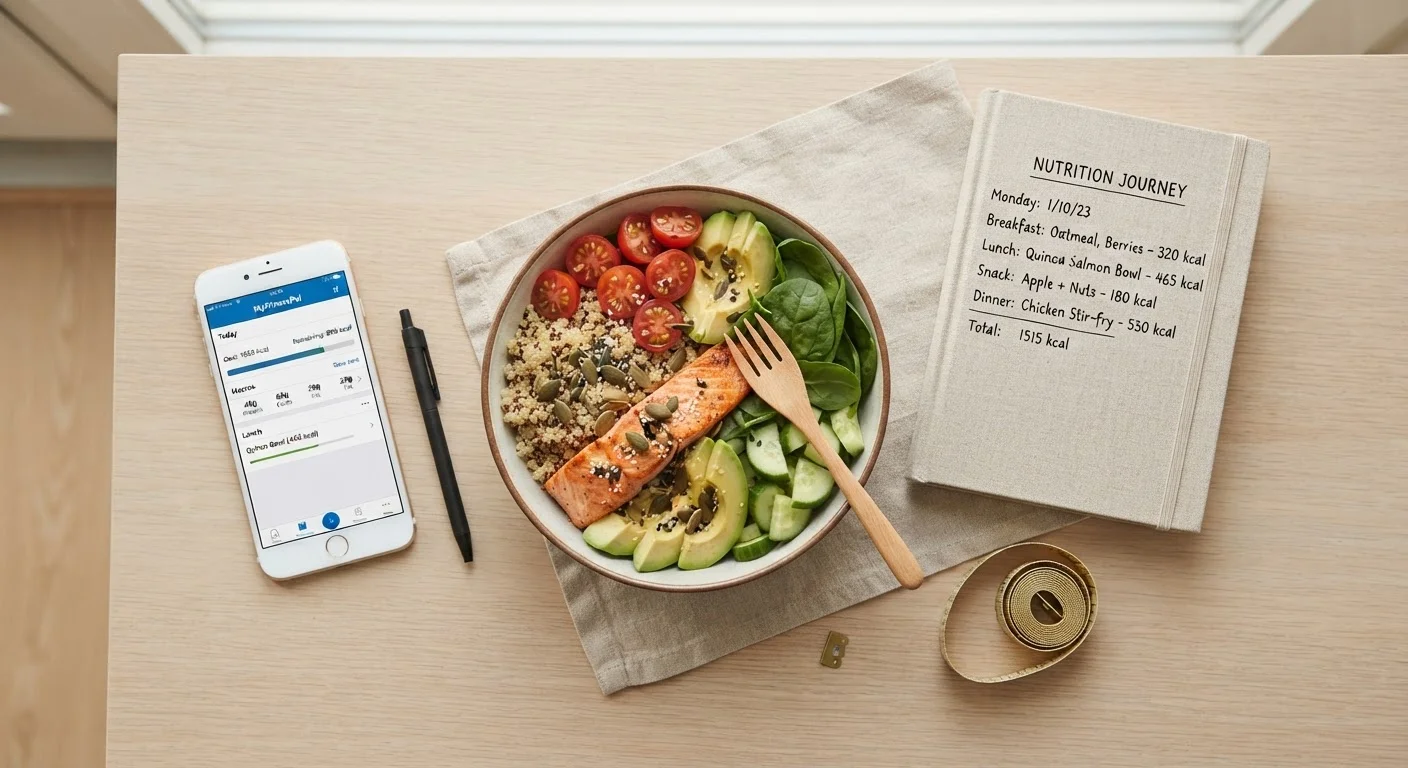
Photo: FaqExplorer.net | Informative Website editorial
Key Takeaways
- Calorie counts in apps and on food labels carry inherent margins of error that limit true precision.
- Obsessing over exact numbers can undermine healthy eating patterns and increase stress around food.
- Portion estimation errors are among the most common and consequential mistakes trackers make.
- Tracking macros without accounting for food quality misses a large part of the nutritional picture.
- A flexible, awareness-based approach to tracking tends to be more sustainable than rigid logging.
Why Nutrition Tracking Falls Short of True Precision
Calorie and macro tracking tools have made it easier than ever for people to engage with their diet in a structured way. But the confidence these apps project can be misleading. The numbers on your screen are estimates built on estimates - and understanding that gap is the first step to using these tools more effectively.
Food labels themselves carry a legally permitted margin of error, and the user-generated databases powering most apps compound that uncertainty. As the energy balance framework makes clear, the calorie model is useful but not a precise equation - individual variation in digestion, metabolism, and food composition means that identical logged numbers can produce different real-world outcomes for different people.
±20%
Typical calorie label margin of error
FDA regulations allow food manufacturers a 20% variance between the calories listed on a label and the actual calorie content of a product.
53%
Adults who underestimate portion sizes
Research consistently shows that a majority of adults underestimate portion sizes when self-reporting food intake, even when actively trying to track accurately.
The goal, then, shouldn't be perfect data. It should be improved awareness - a directional understanding of your eating patterns that informs better habits over time.
The Most Common Tracking Mistakes - and How to Correct Them
Most tracking errors don't stem from bad intentions. They stem from misunderstanding how the tools work, what the numbers actually represent, and how easily small habits undermine the whole exercise. The mistakes below are among the most widespread, and each one has a practical correction.
Treating app calorie totals as exact measurements rather than estimates.
Consistently underestimating portion sizes when logging meals.
Logging only 'clean' or intentional eating while omitting tastes, bites, and drinks.
Focusing exclusively on macros and calories while ignoring micronutrients and food quality.
Using tracking as a tool for restriction rather than awareness.
Database Entries Are Not Always Accurate
If you find tracking consistently stressful or anxiety-provoking, it may be worth exploring a less numbers-intensive approach. The balanced plate method offers a structured but flexible alternative that doesn't require logging every gram.
When Awareness Matters More Than Accuracy
The most durable benefit of nutrition tracking isn't a precise daily tally - it's the awareness it builds about food choices, portion norms, and eating patterns. Many people find that after a period of consistent logging, they develop an intuitive sense of their diet that makes rigid tracking unnecessary.
Tracking Can Mask Disordered Eating Patterns
If your tracking habit is generating insight without generating distress, it's likely serving you well. If it's become a source of preoccupation, consider shifting toward pattern-level awareness: noting general food quality, meal timing, and hunger cues rather than exact numbers. Our related guide on common nutrition myths can help clarify which beliefs about tracking are grounded in evidence and which aren't.
When you're ready to take practical steps, shopping with nutrition in mind is a useful next step - moving awareness from the app into real purchasing decisions.
This article is for general informational purposes only and does not constitute medical or nutritional advice. Consult a qualified healthcare provider or registered dietitian before making significant changes to your diet, especially if you have an existing health condition.
The content on this site is provided for informational purposes only and should not be considered a substitute for professional advice. While we strive to provide accurate and up-to-date information, we make no guarantees regarding its completeness or accuracy. Always consult a qualified professional for advice specific to your circumstances before making any decisions.