
Keeping an Indoor Cat Mentally Stimulated

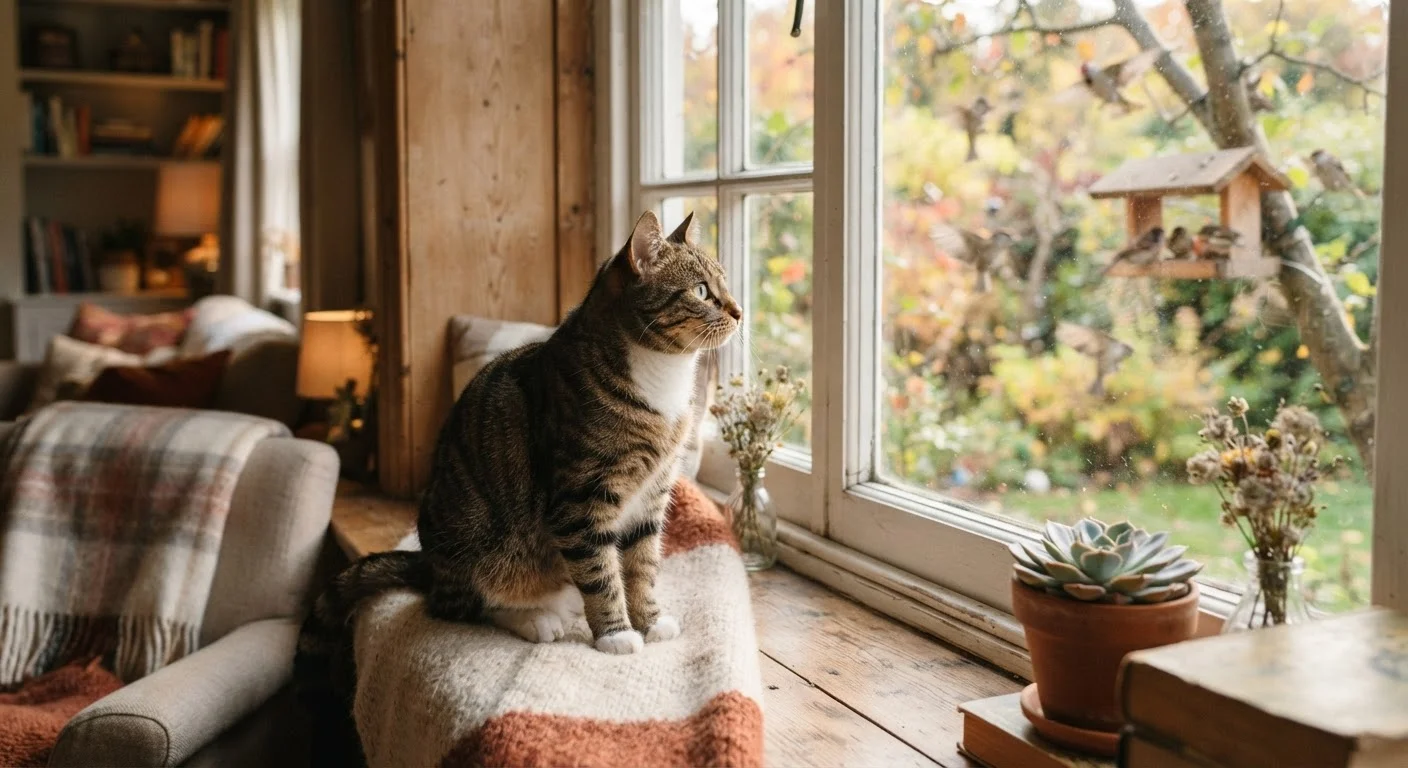
Photo: FaqExplorer.net | Informative Website editorial
Key Takeaways
- Indoor cats are at genuine risk of boredom-related stress, which can lead to behavioral and health problems.
- Environmental enrichment - not expensive gear - is the foundation of a mentally healthy indoor cat.
- Rotating toys, vertical space, and scheduled play sessions address core feline instincts effectively.
- Cats at different life stages need different types and intensities of enrichment.
- Even small daily changes to your cat's routine can produce meaningful improvements in wellbeing.
Why Mental Stimulation Matters for Indoor Cats
An indoor lifestyle protects cats from outdoor hazards - traffic, predators, disease - but it removes the environmental complexity that cats evolved to navigate. In the wild, cats spend significant portions of their day hunting, exploring territory, and responding to unpredictable stimuli. Inside four walls, that drive doesn't disappear; it simply has nowhere to go.
When mental needs go unmet, cats often show recognizable signs: excessive sleeping beyond their typical 12-16 hours, repetitive or compulsive behaviors, overeating, aggression, or destructive scratching. Stress-related conditions such as over-grooming and inappropriate elimination can also emerge. Understanding these signals early matters - the reasons cats stop using the litter box are often rooted in stress rather than stubbornness.
Enrichment is not a luxury - it is a core component of feline welfare alongside nutrition, veterinary care, and social connection.
~60%
Pet cats in the U.S. kept exclusively indoors
According to American Pet Products Association survey data, the majority of owned cats in the U.S. live primarily or entirely indoors.
12-16 hrs
Average daily sleep for a healthy adult cat
Cats are crepuscular and conserve energy between activity bursts - but excessive sleep beyond this range can signal understimulation or health concerns.
Best Practices for Enriching Your Indoor Cat's Environment
The most effective enrichment strategies map directly onto a cat's natural behavioral repertoire: hunting, climbing, hiding, and observing. Each practice below addresses one or more of these instincts in a practical, sustainable way.
Rotate toys on a regular schedule rather than leaving the same ones out continuously.
Provide vertical space through cat trees, shelves, or wall-mounted perches.
Use puzzle feeders or food-dispensing toys for at least one meal per day.
Schedule at least two structured interactive play sessions daily, each lasting 10-15 minutes.
Provide safe access to outdoor sights and sounds through windows or a secure catio.
Introduce novel scents intentionally as a form of sensory enrichment.
Quick Wins You Can Implement Today
Enrichment doesn't require a full home overhaul. Many impactful changes take only minutes to set up and cost little or nothing. Start with what's immediately accessible and build from there.
As your cat's needs evolve - and they will - revisit your enrichment strategy. A kitten's play hunger differs substantially from a senior cat's preferences. The changes in a cat's needs across life stages are worth understanding as you adapt your approach over time. For a deeper look at layering enrichment tools effectively, see our guide on feline enrichment options from window perches to puzzle feeders.
This article is for general informational purposes only. If your cat is showing sudden behavioral changes or signs of distress, consult a licensed veterinarian or a board-certified veterinary behaviorist for personalized guidance.
The content on this site is provided for informational purposes only and should not be considered a substitute for professional advice. While we strive to provide accurate and up-to-date information, we make no guarantees regarding its completeness or accuracy. Always consult a qualified professional for advice specific to your circumstances before making any decisions.