
Why Cats Stop Using the Litter Box - and What You Can Do About It

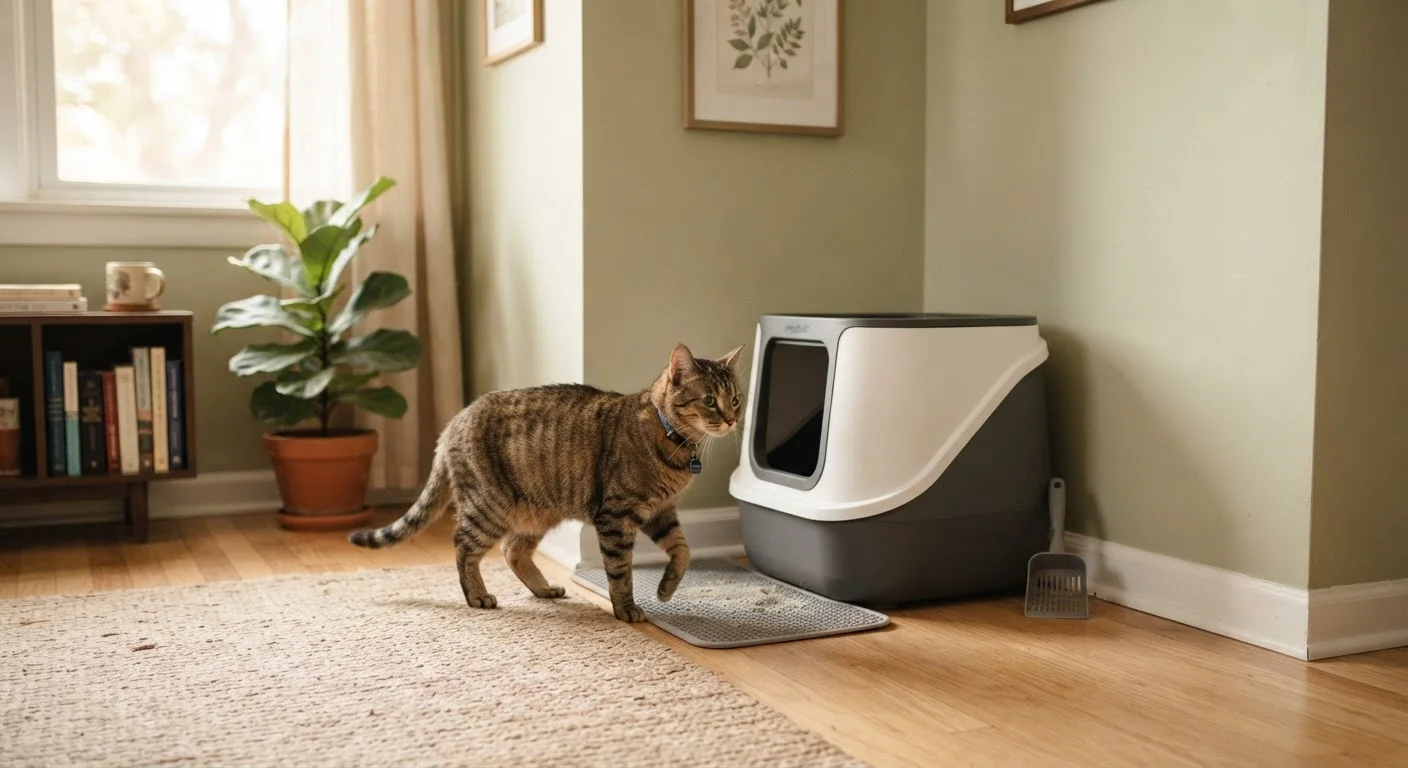
Photo: FaqExplorer.net | Informative Website editorial
Key Takeaways
- Medical conditions like UTIs and kidney disease are often the first cause to rule out.
- Box cleanliness, size, litter type, and placement all significantly influence a cat's willingness to use it.
- Stress from household changes or multi-cat tension can trigger avoidance just as quickly as physical discomfort.
- Most litter box problems are solvable once you identify the specific underlying cause.
- A veterinary visit is essential if your cat suddenly stops using the box or shows signs of straining.
Why This Problem Deserves Serious Attention
Litter box avoidance is one of the most common reasons cats are surrendered to shelters - and one of the most misunderstood. Many owners interpret the behavior as spite or stubbornness, when in reality it almost always signals something specific: a medical issue, an environmental mismatch, or unresolved stress. Understanding the distinction matters because the wrong response can make the situation worse.
Cats are instinctively motivated to bury their waste. When a cat stops doing so - or chooses another location - something has made the box itself less appealing than the alternative. Identifying that "something" is the path to a real solution. Recognizing pain-related behavioral signals is often the critical first step.
Skipping a veterinary evaluation when avoidance first begins.
Not cleaning the box frequently enough.
Using a box that is the wrong size or style for the individual cat.
Switching litter types abruptly or choosing heavily scented varieties.
Placing litter boxes in inconvenient, stressful, or hard-to-reach locations.
Ignoring the role of inter-cat conflict in multi-cat households.
Setting Up the Right Environment
Beyond avoiding individual mistakes, litter box success depends on a consistent, low-stress setup. As a general rule, households with multiple cats should provide one box per cat plus one additional - so two cats means three boxes. Spread them across different locations rather than clustering them in one room, which cats may treat as a single resource.
#1
Behavioral reason cats are surrendered to shelters
Litter box problems are consistently cited by animal welfare organizations as the leading behavioral cause of cat relinquishment in the U.S.
10%
Of cats estimated to develop elimination issues
Veterinary behaviorists estimate that roughly 1 in 10 cats will experience a litter box problem significant enough to prompt owner concern at some point in their life.
Placement matters as much as quantity. Boxes tucked beside loud appliances like washing machines, or in high-traffic areas, create anxiety around elimination. Quiet, accessible spots with a clear sightline (so the cat doesn't feel ambushed) are almost always preferred.
If your home environment has recently changed - a new pet, a new person, a move - be aware that even well-adjusted cats can regress. Managing the introduction of a second cat carefully reduces the stress that commonly triggers elimination problems.
This article is for general informational purposes only and is not a substitute for professional veterinary advice. If your cat is showing sudden changes in litter box behavior, consult a licensed veterinarian promptly.
The content on this site is provided for informational purposes only and should not be considered a substitute for professional advice. While we strive to provide accurate and up-to-date information, we make no guarantees regarding its completeness or accuracy. Always consult a qualified professional for advice specific to your circumstances before making any decisions.