
Signs Your Cat May Be in Pain - and When to Call the Vet

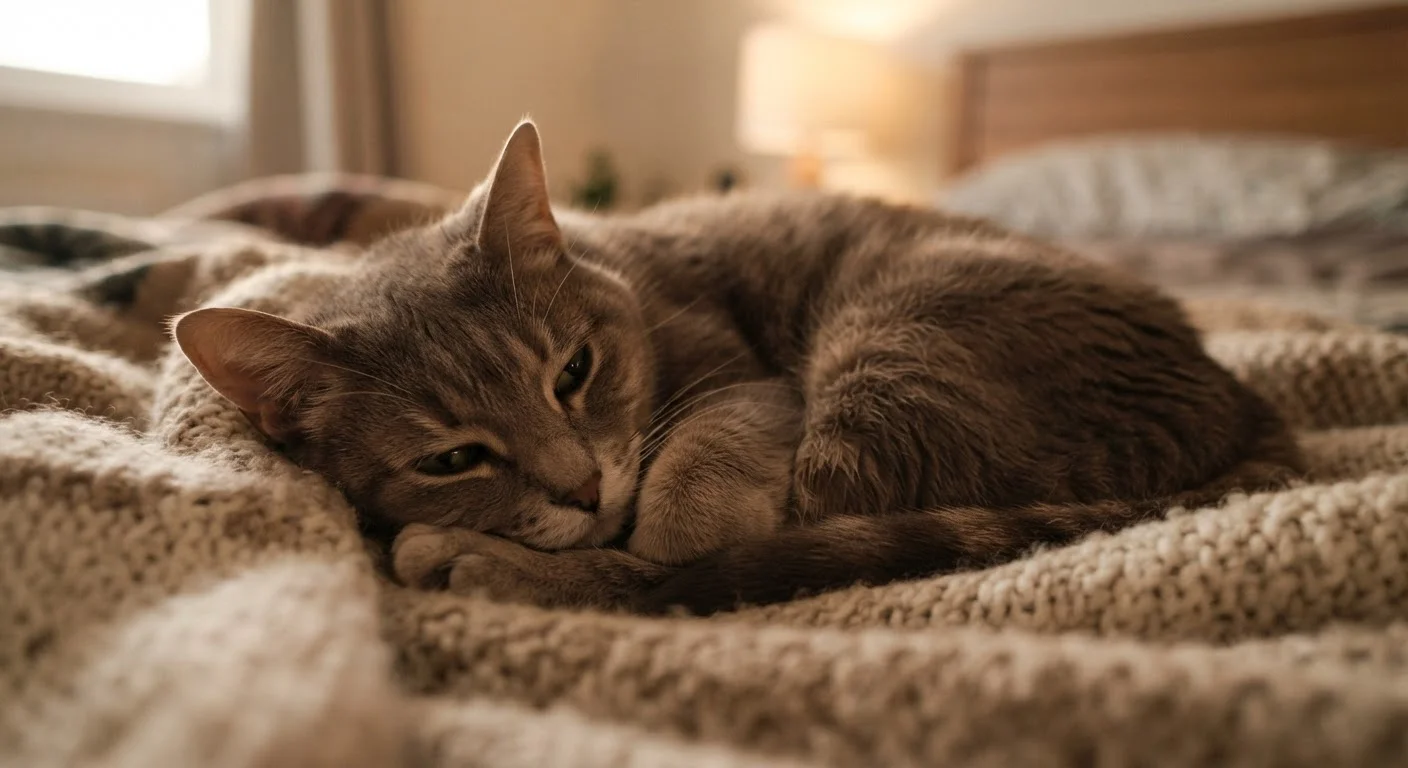
Photo: FaqExplorer.net | Informative Website editorial
Key Takeaways
- Cats instinctively mask pain, making subtle behavioral changes one of the most reliable early indicators.
- Physical signs like squinting, hunching, or changes in grooming habits can signal significant discomfort.
- Any sudden or unexplained change in your cat's normal routine warrants a veterinary evaluation.
- Litter box avoidance is frequently linked to pain, not simply a behavioral preference.
- Senior cats are at higher risk for chronic pain conditions and may require more frequent veterinary check-ins.
Why Cats Are So Good at Hiding Pain
Cats evolved as both predators and prey. In the wild, showing vulnerability makes an animal a target - so felines developed a strong instinct to conceal illness and discomfort. That same instinct persists in the domestic cat sitting on your couch. By the time pain becomes unmistakable, it has often been present for some time.
This biological tendency means that owners need to develop a calibrated sense of their individual cat's normal - its typical activity level, appetite, social behavior, posture, and litter box habits. Deviation from that baseline is frequently the earliest and clearest signal that something is wrong. For a deeper look at the full picture of what your cat is communicating through its body, see our guide to feline body language.
Pain can stem from a wide range of sources: dental disease, arthritis, urinary tract conditions, injury, or internal illness, among others. Because the signs often overlap, a veterinarian's evaluation is always the appropriate next step - not home diagnosis. This checklist is designed to sharpen your awareness, not to substitute for professional care.
Never Give Human Pain Relievers to Cats
Purring Does Not Mean Your Cat Is Comfortable
How to Use This Checklist
Work through each group systematically, ideally in a calm, familiar environment where your cat feels at ease. You are looking for changes relative to your cat's established normal - a single check in isolation is less meaningful than a pattern across multiple groups.
Notebook or Pet Health App
Track the date, duration, and nature of any changes in behavior or physical condition to share with your veterinarian.
Digital Food Scale
Accurately measure food portions to detect meaningful decreases in intake over time.
Smartphone Camera or Video
Record any unusual postures, gait changes, or behaviors to show your vet during the appointment.
Document what you observe with as much specificity as possible: when the sign first appeared, how frequently it occurs, whether it seems to worsen after activity or rest. This information is genuinely useful to a veterinarian and helps avoid the common scenario where a cat behaves normally during the clinic visit and signs go undiscussed.
Keep in mind that age shapes the risk profile considerably. Senior cats are more likely to experience chronic pain from conditions such as osteoarthritis and dental disease, often without obvious outward signs. Our article on how a cat's needs shift across life stages outlines what to watch for at different ages.
Behavioral Changes
Physical and Postural Signs
Eating, Drinking, and Litter Box Habits
When to Call the Vet Immediately
A Note on Litter Box Changes
Litter box behavior sits at the intersection of pain, stress, and medical illness. A cat avoiding its litter box, crying while using it, or eliminating in unusual locations may be responding to discomfort that has nothing to do with behavioral preference. Conditions affecting the urinary tract, gastrointestinal system, and musculoskeletal structure can all make litter box use difficult or painful.
Before assuming a litter box problem is behavioral, a veterinary examination to rule out a physical cause is strongly advisable. Our in-depth article on litter box avoidance covers the full range of potential causes and what steps to take.
Urinary Blockage Is a Life-Threatening Emergency
This article is for general informational and educational purposes only and does not constitute veterinary medical advice. Always consult a licensed veterinarian for any concerns about your cat's health or wellbeing.
The content on this site is provided for informational purposes only and should not be considered a substitute for professional advice. While we strive to provide accurate and up-to-date information, we make no guarantees regarding its completeness or accuracy. Always consult a qualified professional for advice specific to your circumstances before making any decisions.