
Dog Weight and Body Condition: The Scale Isn't the Whole Story

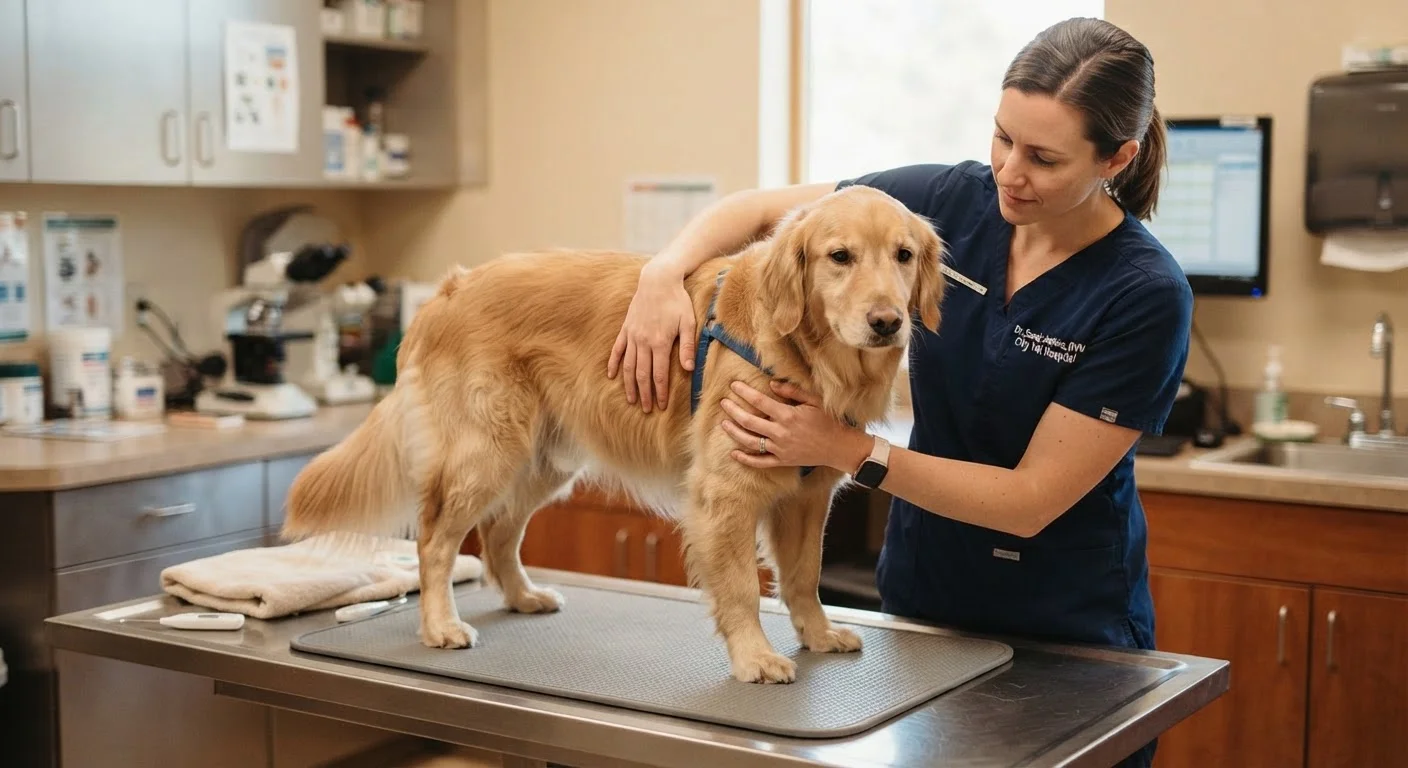
Photo: FaqExplorer.net | Informative Website editorial
Key Takeaways
- A dog's scale weight alone cannot tell you whether they are at a healthy body composition.
- Body condition scoring uses a numbered scale - typically 1 to 9 - where 4 or 5 is considered ideal.
- You can perform a basic BCS assessment at home by looking and feeling, but a vet should confirm the result.
- Both underweight and overweight dogs face real health risks that a number on the scale can obscure.
- Nutrition adjustments based on BCS should always involve your veterinarian's guidance.
Why the Scale Tells Only Part of the Story
Many dog owners use weight as their primary gauge of their pet's health - and it's a reasonable starting point. But a number on the scale captures total body mass without distinguishing between fat, muscle, and bone. A compact, muscular Labrador and a small, overweight Beagle might hit the same scale reading with completely different health profiles.
This is where body condition scoring becomes genuinely useful. Rather than comparing your dog to a breed average or a chart, BCS evaluates the individual animal in front of you - their actual fat coverage and muscle definition - using a hands-on, visual method that any dog owner can learn the basics of.
For context on how nutrition feeds into these assessments, see our guide to reading a dog food label the way a vet nutritionist would.
~59%
U.S. dogs estimated to be overweight or obese
According to the Association for Pet Obesity Prevention's clinical survey data, the majority of American dogs are above their ideal body condition.
1.8 years
Median lifespan reduction linked to obesity in dogs
Research published in veterinary journals has found that obese dogs live measurably shorter lives than dogs maintained at an ideal body condition.
9-point
Scale used in most clinical BCS assessments
The WSAVA-endorsed 9-point Body Condition Score system is the most widely used standardized tool in veterinary practice globally.
How to Read the BCS Scale
The 9-point scale used in most clinical settings works like this: scores of 1-3 indicate underweight, 4-5 are ideal, 6-7 are overweight, and 8-9 represent obesity. Each number is tied to specific observable and palpable criteria, not just an eyeball estimate.
- Scores 1-3 (Underweight): Ribs, spine, and hip bones are visibly prominent. Little to no fat cover. Obvious muscle loss in severe cases.
- Scores 4-5 (Ideal): Ribs are easily felt with light pressure but not visible. A clear waist is visible from above. The belly tucks upward when viewed from the side.
- Scores 6-7 (Overweight): Ribs require firm pressure to feel. Waist is minimal or absent. Fat deposits may be visible over the lower back and at the base of the tail.
- Scores 8-9 (Obese): Ribs are very difficult to feel. No waist. Significant fat deposits on the neck, limbs, and spine. Abdominal distension may be visible.
Breed matters here. A healthy greyhound will look much leaner than a healthy bulldog - the scale accounts for this by relying on feel and proportion, not just appearance.
Practice on Your Own Hand First
Performing a Basic Check at Home
You don't need clinical training to do a rough BCS check. Use both your eyes and your hands, and do it when your dog is standing still.
The rib check: Place your thumbs on your dog's spine and spread your fingers along the rib cage. You should be able to feel each rib without pressing hard - similar to the feel of your knuckles when your hand is loosely closed. If you have to press firmly or can't feel the ribs at all, that suggests excess fat cover.
The overhead view: Look at your dog from directly above. There should be a visible narrowing behind the ribs - a recognizable waist. A dog with little or no waist visible from above is likely carrying extra weight.
The side profile: Looking from the side, the belly should tuck upward toward the hindquarters rather than hanging level or drooping below the chest line.
Keep in mind that thick or long coats can make visual checks harder. If your dog has a heavy coat, rely more on touch than sight. And remember - your vet's hands-on evaluation remains the gold standard. This home check is a useful monitoring tool between appointments, not a replacement for professional assessment.
Health Consequences at Both Ends of the Scale
Excess weight in dogs is associated with a range of health conditions including joint disease, diabetes, respiratory difficulty, and reduced life expectancy. Studies in veterinary medicine consistently link obesity to measurably shorter lifespans in dogs - making weight management one of the most impactful things owners can influence.
Being underweight carries its own risks: compromised immune function, muscle wasting, poor coat condition, and insufficient energy reserves to recover from illness or surgery. Underweight dogs are often underfed, but they may also have underlying conditions - parasites, malabsorption disorders, dental disease, or serious illness - that a vet needs to evaluate.
Neither extreme is benign, and neither is always obvious at a glance. A fluffy dog can conceal significant fat reserves. A lean, muscular dog may look underweight to an untrained eye but be in peak condition. This is precisely why BCS - not weight alone - is the standard of care.
As dogs age, body composition shifts in ways that make monitoring even more important. See our article on senior dog care after age seven for guidance on how needs change over time.
What to Do if Your Dog's BCS Is Off
If your home check - or your vet's assessment - suggests your dog is above or below the ideal range, the next step is a conversation with your veterinarian, not an immediate diet overhaul. Rapid caloric restriction is not safe for dogs and can have serious consequences, including a condition called hepatic lipidosis in extreme cases.
Your vet can help establish a target weight, recommend appropriate caloric intake, and rule out medical causes. Nutrition adjustments - whether switching food types, changing portion sizes, or modifying meal frequency - work best when they're tailored to the individual dog. Our guide to wet food vs. dry kibble covers how food format affects caloric density and hydration, which are relevant factors in a weight management plan.
Exercise plays a role too, but the right type and intensity depends on age, joint health, and current fitness level - all reasons to treat this as a collaborative plan with your vet, not a one-size approach.
This article is for general informational purposes only and does not constitute veterinary medical advice. Always consult a licensed veterinarian for guidance specific to your dog's health and nutritional needs.
Frequently Asked Questions
The content on this site is provided for informational purposes only and should not be considered a substitute for professional advice. While we strive to provide accurate and up-to-date information, we make no guarantees regarding its completeness or accuracy. Always consult a qualified professional for advice specific to your circumstances before making any decisions.