
Senior Dog Care: How Your Approach Should Shift After Age Seven

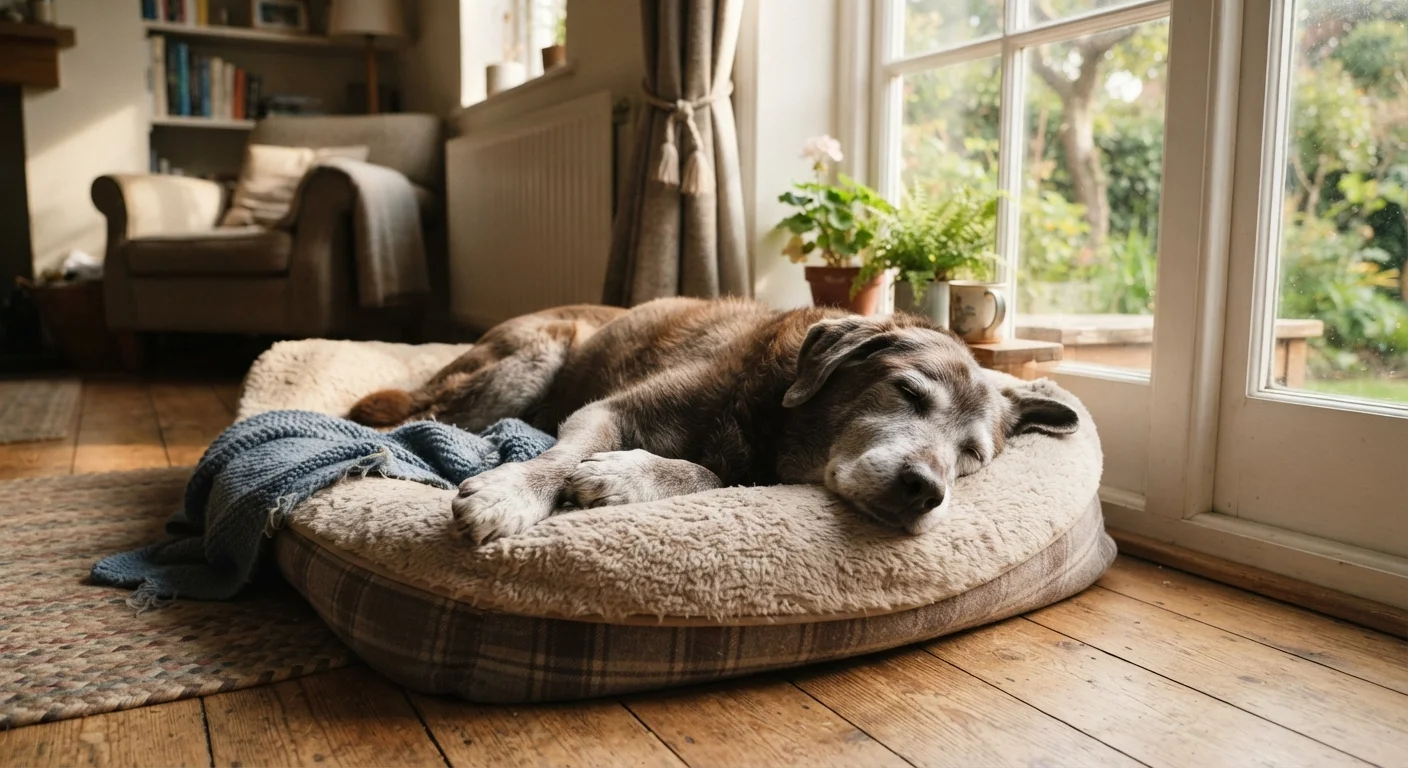
Photo: FaqExplorer.net | Informative Website editorial
Key Takeaways
- Large-breed dogs can be considered senior as early as age six; smaller breeds often not until nine or ten.
- Twice-yearly vet visits become the standard of care for most dogs past age seven.
- Exercise remains important for senior dogs - the type and intensity should be adjusted, not eliminated.
- Nutritional needs shift with age, often requiring lower calories and targeted joint or organ support.
- Cognitive and sensory changes are common and can be managed with environmental adjustments.
- Early detection of age-related conditions greatly improves management outcomes.
When Is a Dog Considered 'Senior'?
The label "senior dog" isn't tied to a single age for every dog. Breed size plays a significant role: large and giant breeds - such as Great Danes or Bernese Mountain Dogs - may be considered senior around age five or six, while small breeds like Chihuahuas or Toy Poodles may not reach that threshold until nine or ten. Medium-sized dogs typically fall somewhere in between, with seven being a widely used general benchmark.
This distinction matters because aging is not a uniform process. A seven-year-old Labrador Retriever has experienced cellular aging at a very different rate than a seven-year-old Maltese. If you're uncertain where your dog falls on the spectrum, your veterinarian is the best resource for a life-stage assessment tailored to your dog's breed and individual health history.
For context, the approach to a dog's early years is explored in our guide for new dog owners - senior care represents the other end of that arc, requiring an equally deliberate mindset shift.
Physical Changes to Expect After Age Seven
Aging dogs undergo a range of physiological changes that aren't always visible until they've progressed significantly. Understanding what's happening beneath the surface helps owners catch problems early.
- Joint and mobility changes: Osteoarthritis is one of the most common conditions in older dogs. Stiffness after rest, reluctance to climb stairs, or a subtle change in gait can be early indicators.
- Sensory decline: Hearing loss and vision changes are common. A dog that seems "stubborn" or startles easily may actually be experiencing sensory changes, not behavioral issues.
- Organ function: The kidneys, liver, and heart may become less efficient with age. These changes often have no outward signs in early stages, which is why lab work becomes more important.
- Dental disease: Periodontal disease accumulates over time and is nearly universal in older dogs if dental hygiene hasn't been consistently maintained. It can affect systemic health beyond the mouth.
- Weight fluctuations: Muscle mass tends to decrease (a process called sarcopenia), while body fat may increase even without changes in food intake. Our guide on dog weight and body condition scoring explains how to assess this at home.
When assessing mobility changes, watch your dog during the first five minutes after waking from a long rest - stiffness that resolves quickly may be early-stage arthritis, and catching it at that point gives you the best management options.
Ask your vet to run a baseline blood panel when your dog turns seven, even if they appear healthy - these values become your reference point for detecting meaningful change at future visits.
Shifting Nutritional Needs
Senior dogs generally require fewer calories than younger adults, largely because their metabolic rate slows and their activity levels often decrease. Feeding the same amount as in peak adulthood can contribute to unwanted weight gain, which compounds joint stress and increases risk for metabolic conditions.
However, calorie reduction isn't the only consideration. Protein needs in senior dogs are a nuanced topic: while some dogs with compromised kidney function may benefit from modified protein intake, current veterinary consensus does not support automatically restricting protein in all healthy senior dogs. In fact, adequate high-quality protein helps preserve muscle mass.
Other nutritional factors commonly discussed for senior dogs include:
- Omega-3 fatty acids: Found in fish oil, these have established anti-inflammatory properties relevant to joint health and cognitive function.
- Joint-supportive compounds: Glucosamine and chondroitin appear in many senior formulas, though evidence for their benefit varies and a vet's input is worthwhile.
- Digestibility: Older dogs may absorb nutrients less efficiently, making food quality - not just quantity - more relevant.
Before switching your dog to a senior-specific food or adding supplements, consult your veterinarian. Needs vary considerably based on a dog's current health status, weight, and any diagnosed conditions.
Exercise: Less Isn't Always Better
A common misconception is that older dogs need very little exercise. In reality, regular, appropriate movement supports joint health, healthy weight, cardiovascular function, and even cognitive engagement. The goal isn't less exercise - it's smarter exercise.
For most senior dogs, this means:
- Shorter, more frequent walks rather than one long outing
- Avoiding high-impact activities like prolonged jumping or sharp direction changes on hard surfaces
- Swimming or hydrotherapy, which provides low-impact cardiovascular and muscular benefit
- Monitoring for signs of fatigue or post-exercise stiffness, and adjusting accordingly
Where a dog exercises also matters. Rough or uneven outdoor terrain can be harder on aging joints than a smooth indoor environment. Our article on indoor versus outdoor dog environments touches on how living conditions affect dog welfare, which becomes particularly relevant as dogs age.
Don't Ignore Post-Exercise Stiffness
Veterinary Care: Why More Frequent Visits Matter
Annual wellness exams may be sufficient for young adult dogs, but most veterinarians recommend moving to biannual (twice-yearly) visits once a dog reaches senior status. The rationale is straightforward: dogs age more quickly than humans do, and conditions that were absent or subclinical at one visit can become meaningful within six months.
A senior wellness exam typically includes:
- A thorough physical examination, including lymph node palpation, heart and lung auscultation, and joint assessment
- Blood work to evaluate kidney, liver, and thyroid function, as well as complete blood counts
- Urinalysis to screen for early kidney disease or urinary tract issues
- Blood pressure measurement, particularly if kidney or heart changes are detected
- Dental evaluation
These visits are also an opportunity to discuss behavioral changes, which can sometimes signal cognitive dysfunction syndrome (CDS) - a condition in older dogs with similarities to dementia in humans. Symptoms include disorientation, altered sleep patterns, and changes in social interaction. Early recognition opens the door to management strategies that support quality of life.
For a useful parallel, readers interested in how age-related physical changes are managed in humans may find our article on fitness after 50 an interesting complement to this discussion.
Comfort, Environment, and Quality of Life
Small adjustments to your home environment can meaningfully improve a senior dog's daily experience. These aren't indulgences - they're practical responses to real physical limitations.
- Orthopedic bedding: Memory foam or orthopedic beds reduce pressure on joints and are especially beneficial for dogs with arthritis.
- Non-slip surfaces: Older dogs lose muscle mass and coordination, making slick floors a fall hazard. Rugs or yoga mats in key areas can help.
- Ramps or steps: If your dog previously jumped onto furniture or into a vehicle, a ramp reduces joint impact and helps dogs with mobility limitations maintain independence.
- Food and water bowl height: Raised bowls can ease discomfort for dogs with neck or spine stiffness.
- Grooming frequency: Senior dogs may need more regular grooming attention - coat quality can change, nail growth may slow, and skin conditions become more common. See our grooming basics guide for a practical overview.
Quality of life in a dog's senior years is shaped by attentiveness - noticing small changes, responding proactively, and maintaining routines that offer both physical benefit and emotional security. The dogs that age most comfortably tend to have owners who treat seven-plus not as a countdown, but as a new chapter that deserves its own thoughtful approach.
This article provides general educational information about senior dog care and is not a substitute for professional veterinary advice. Always consult a licensed veterinarian regarding your dog's specific health needs.
The content on this site is provided for informational purposes only and should not be considered a substitute for professional advice. While we strive to provide accurate and up-to-date information, we make no guarantees regarding its completeness or accuracy. Always consult a qualified professional for advice specific to your circumstances before making any decisions.