
Signs Your Small Pet Is Actually Sick

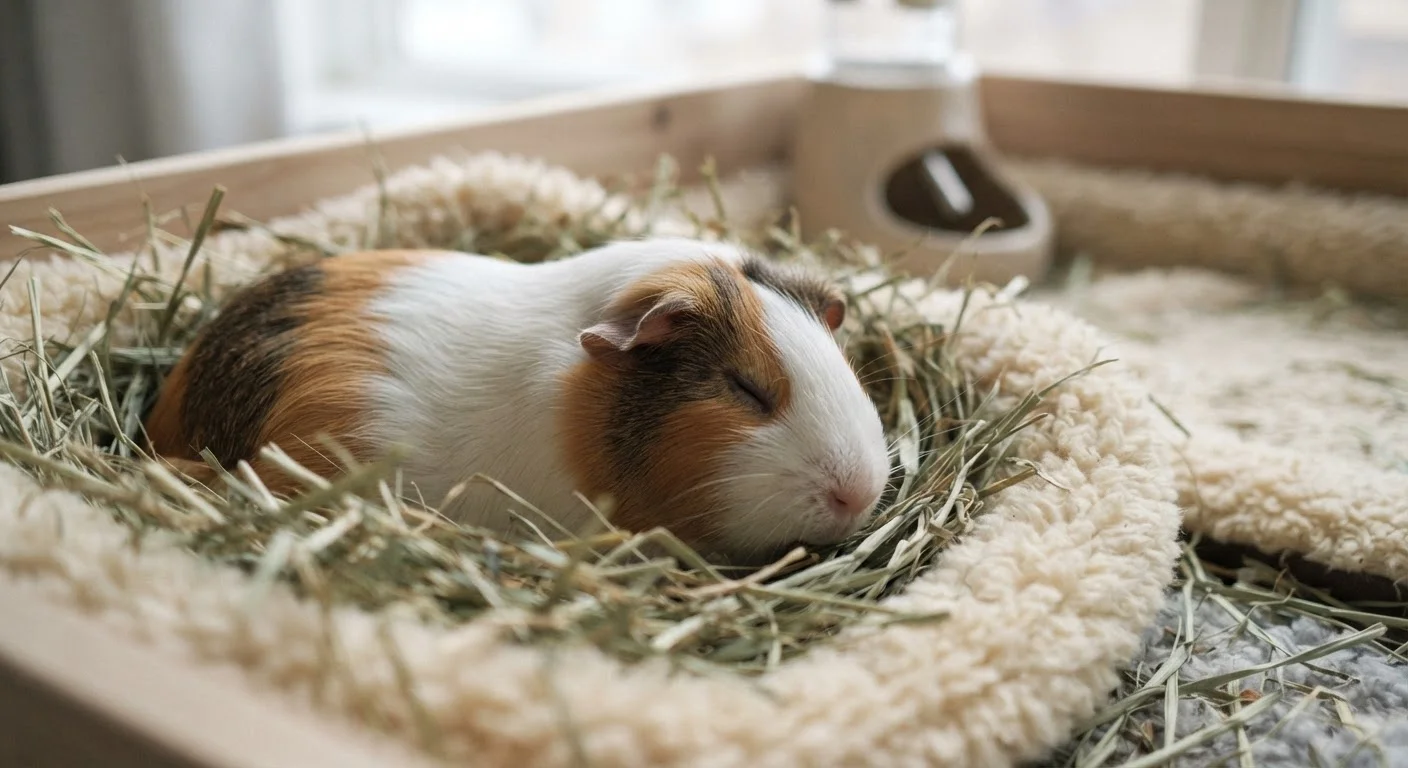
Photo: FaqExplorer.net | Informative Website editorial
Why Small Pets Are Hard to Read
Rabbits, guinea pigs, hamsters, gerbils, rats, and birds share a survival trait that makes caring for them uniquely challenging: they are prey animals hardwired to conceal weakness. In the wild, showing illness invites predation. In your home, that same instinct means a pet can be seriously unwell before any obvious sign appears.
This is not a flaw in your observation - it is biology working against you. Unlike dogs or cats, who may vocalize distress or seek comfort when sick, small pets often continue eating, moving, and behaving apparently normally until their condition becomes critical. Understanding the subtle, early warning signs is one of the most valuable things any small pet owner can learn.
Many owners are also working from incomplete information. The common misconceptions about small pets - including the idea that they are low-maintenance or resilient - can lead owners to wait too long before seeking care.
| Species most commonly affected | Rabbits, guinea pigs, hamsters, gerbils, rats, chinchillas, birds |
| Primary challenge | Prey animals instinctively hide illness, often until it is advanced |
| Recommended monitoring method | Weekly weigh-ins plus daily behavioral observation |
| When to contact a vet | Any labored breathing, complete appetite loss, or suspected injury - same day |
| Specialist type for small pets | Exotic animal or small animal veterinarian |
Behavioral Warning Signs
Changes in behavior are often the first - and sometimes the only - signal that something is wrong. These shifts can be gradual, making a baseline understanding of your individual animal's normal habits essential.
- Reduced activity or lethargy: A normally curious or active animal that suddenly spends extended time hunched, still, or unwilling to explore warrants attention.
- Changes in social behavior: Prey animals in multi-pet housing may isolate themselves when ill. Conversely, a previously independent animal becoming clingy or agitated can also signal discomfort.
- Loss of appetite or reduced water intake: Missing a single meal is not always alarming, but any sustained reduction in food or water consumption - especially in rabbits and guinea pigs, whose digestive systems require constant intake - is a serious concern.
- Hiding or huddling: This is one of the most reliable early behavioral signals, particularly in hamsters and gerbils.
- Unusual vocalizations: Teeth grinding in rabbits (bruxism), clicking sounds in rats, or changes in a bird's call pattern can all indicate pain or respiratory distress.
- Changes in grooming: Both over-grooming (causing bald patches) and under-grooming (resulting in a rough, matted coat) suggest the animal is not well.
Bruxism
The grinding of teeth, often audible as a soft rhythmic sound. In rabbits and rodents, bruxism can indicate pain, dental problems, or stress, and should be evaluated by a vet.
GI Stasis
A condition - most common in rabbits - where the gastrointestinal tract slows or stops moving. Without prompt veterinary treatment, GI stasis can be fatal within 24-48 hours.
Malocclusion
Misalignment of the teeth, causing them to grow abnormally. Prevalent in rabbits, guinea pigs, and chinchillas, malocclusion interferes with eating and requires veterinary dental care.
Cecotrope
A soft, nutrient-rich dropping produced by rabbits that they consume directly from their anus, typically at night. Failure to produce or consume cecotropes signals a possible health issue.
Prey Animal Masking
The instinctive behavior of prey species to hide signs of illness or injury. This evolutionary adaptation makes early disease detection in small pets particularly challenging for owners.
Physical Signs to Check For
In addition to behavioral shifts, specific physical changes are meaningful indicators of illness. Incorporate a brief, gentle physical check into your regular handling routine.
When to Treat It as an Emergency
- Weight loss: Significant weight loss may not be visible in a fluffy coat. Weigh small pets weekly using a kitchen scale - even a few grams of unexplained loss in a hamster or rat can be clinically significant.
- Changes in feces or urine: Diarrhea, abnormally small or misshapen droppings, discolored urine, or absence of normal output are all red flags. Rabbits that stop producing cecotropes (soft nighttime droppings they normally consume) may have a serious GI issue.
- Nasal or eye discharge: Clear discharge may indicate irritants; cloudy, colored, or crusted discharge often signals infection or respiratory illness.
- Labored or noisy breathing: Any clicking, wheezing, or visible effort when breathing is an emergency in most small species.
- Swellings, lumps, or wounds: Check for masses, abscesses (common in rabbits and rats), or wounds that may not be immediately visible under fur or feathers.
- Overgrown teeth or drooling: Dental malocclusion (misaligned teeth) is prevalent in rabbits, guinea pigs, and chinchillas, and may present as drooling, wet fur around the mouth, or weight loss.
Not all vets are equally equipped to evaluate these signs. Understanding the difference between a general practice and a specialist can directly affect your pet's outcome - see our guide on exotic vs. general vet care for small pets for more.
This article provides general educational information only and is not a substitute for professional veterinary advice. If you have concerns about your pet's health, consult a qualified veterinarian promptly.
The content on this site is provided for informational purposes only and should not be considered a substitute for professional advice. While we strive to provide accurate and up-to-date information, we make no guarantees regarding its completeness or accuracy. Always consult a qualified professional for advice specific to your circumstances before making any decisions.