
Small Pet Myths That Could Actually Harm Your Animal

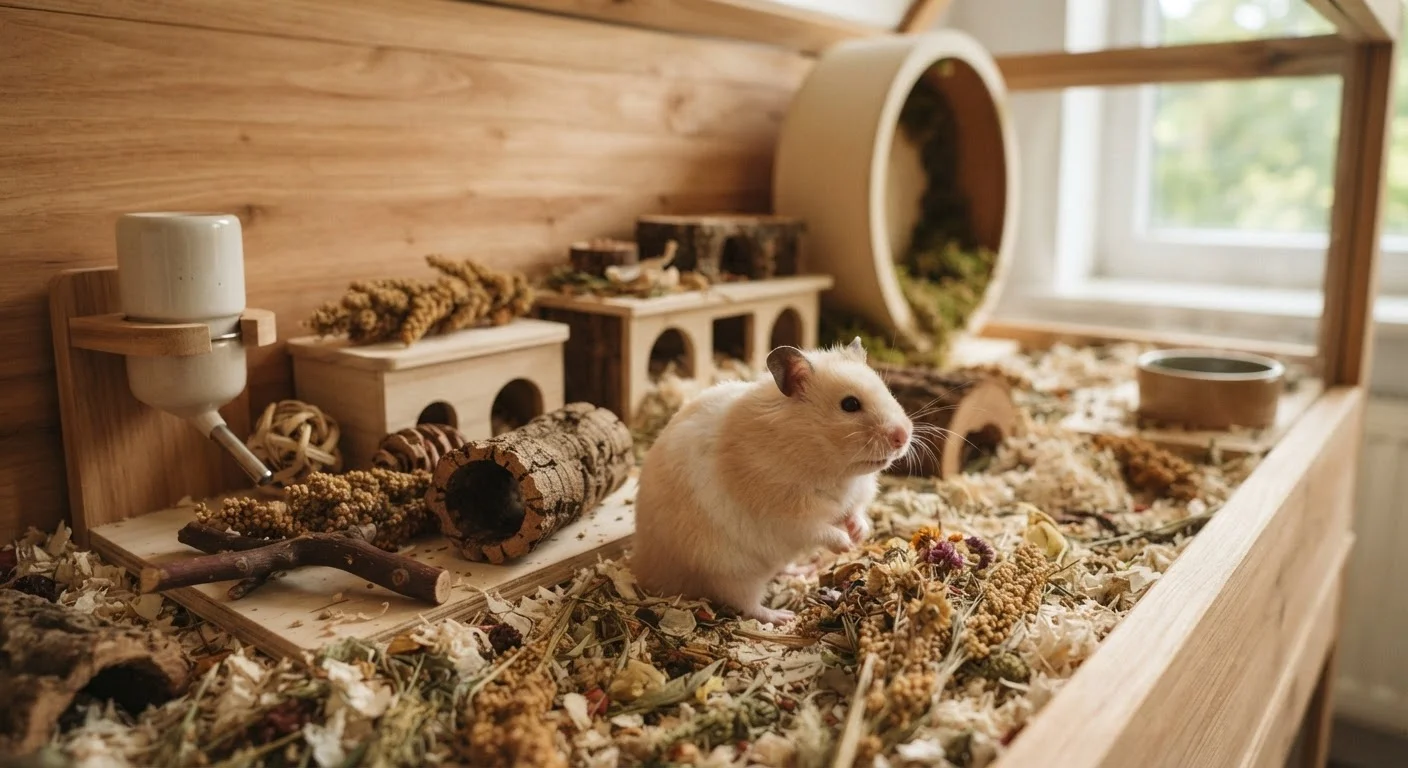
Photo: FaqExplorer.net | Informative Website editorial
Key Takeaways
- Cedar and pine bedding release aromatic compounds linked to respiratory and liver damage in small animals.
- Hamsters, guinea pigs, and rabbits are not low-maintenance - they require daily care, enrichment, and regular vet visits.
- Many small animals instinctively hide illness, making attentive observation and exotic vet access critical.
- Solitary confinement is harmful for inherently social species like guinea pigs and gerbils.
- Seed-heavy diets marketed for small pets are often nutritionally inadequate for the animals they target.
Why Small Pet Myths Are a Welfare Problem
Small pets - hamsters, guinea pigs, rabbits, gerbils, birds, and similar animals - are frequently marketed and perceived as easy starter pets. That framing has generated a cluster of persistent myths that directly conflict with what animal welfare science and exotic veterinary practice actually support. The consequences range from chronic stress and nutritional deficiency to preventable illness and shortened lifespans.
This isn't about shaming well-meaning owners. Misinformation spreads because it's repeated confidently in pet stores, on packaging, and in outdated care guides. Getting the facts right is the single most impactful thing a small pet owner can do. For a broader look at what responsible ownership actually costs - in time and money - see our honest breakdown of small pet ownership costs.
Myth
Cedar and pine shavings are safe, natural bedding choices for small animals.
Fact
Cedar and pine shavings contain phenolic compounds that can cause respiratory irritation and liver damage in small mammals.
The word "natural" on a product label does not mean safe for every species. Aromatic softwood shavings - particularly cedar, and to a lesser extent pine - release volatile phenols when exposed to air. In small enclosed spaces like rodent cages, these compounds accumulate at concentrations that can damage the sensitive respiratory tracts of hamsters, rats, mice, and guinea pigs, and may affect liver enzyme levels over time. Veterinary and laboratory animal welfare guidelines have recommended against aromatic softwoods for decades. Paper-based bedding or aspen shavings are widely recommended alternatives.
Myth
Hamsters are low-maintenance pets that are ideal for young children.
Fact
Hamsters are nocturnal, solitary, and stress-sensitive animals that require consistent, knowledgeable care - not a hands-off beginner pet.
Hamsters are crepuscular to nocturnal, meaning they are most active in the evening and at night. Handling them during the day - when young children are awake - disrupts their sleep and causes stress that can result in biting and behavioral problems. They also need far more space than standard retail cages provide: animal welfare organizations in Europe commonly recommend a minimum of 1,000 square centimeters of unbroken floor space, far exceeding what most commercially sold hamster cages offer. Add in the need for regular wheel access, burrowing substrate at depth, and dietary variety, and the care requirements become clear.
Myth
Guinea pigs and rabbits are fine kept alone as long as they get some human attention.
Fact
Guinea pigs are highly social animals that generally do poorly in permanent solitary housing, regardless of human interaction levels.
Guinea pigs communicate, groom, and thermoregulate with conspecifics (members of their own species). Human interaction, while beneficial, does not fully substitute for the constant low-level social contact they are adapted to seek. Lone guinea pigs can develop signs of chronic stress including repetitive behaviors and changes in appetite. Rabbits are more variable - some bond strongly with human families and tolerate solitude better - but many welfare experts still recommend rabbit pairs or groups where possible. Our guide to choosing between guinea pigs and rabbits covers their social needs in detail.
Myth
Small pets don't need vet visits unless they look obviously sick.
Fact
Prey species are instinctively wired to mask illness, meaning visible symptoms often indicate disease that is already advanced.
Rabbits, guinea pigs, hamsters, and birds are all prey animals whose survival in the wild depends on not appearing vulnerable. This deeply ingrained instinct means that by the time an owner notices an animal is lethargic, off its food, or showing physical symptoms, the underlying condition may already be serious. Establishing a relationship with an exotic or small animal vet before any health event allows for baseline assessments and faster response when something changes. For a detailed guide to recognizing early warning signs, see signs your small pet may actually be sick.
Myth
A seed mix is a complete and balanced diet for birds and small rodents.
Fact
Seed-heavy diets are typically high in fat and low in essential vitamins and minerals, and should not form the bulk of most small animals' diets.
Seeds are energy-dense and palatable, which is why animals preferentially eat them - similar to how a person might gravitate toward chips over vegetables. But exclusive or predominantly seed-based diets have been associated with obesity, vitamin A deficiency, and other nutritional disorders in birds, hamsters, and rats. For most small herbivores like guinea pigs and rabbits, the dietary foundation should be high-quality grass hay, supplemented with species-appropriate pellets and fresh vegetables. For birds and omnivorous rodents, formulated pellets are generally preferred by avian and exotic vets as the dietary base, with seeds used as a supplemental or training treat.
Myth
Small pets have short lifespans, so long-term commitment isn't really a concern.
Fact
Lifespans vary enormously: some parrots live 50+ years, rabbits commonly reach 8-12 years, and even 'short-lived' guinea pigs average 4-8 years.
The assumption that small automatically means short-lived leads owners to underestimate the true commitment involved. A rabbit adopted as a child's pet may outlive the child's time at home. A parrot purchased on impulse may need care for multiple decades. Even animals with genuinely shorter lifespans - like hamsters at 2-3 years - require daily feeding, habitat cleaning, social interaction, and monitoring throughout that time. Understanding realistic lifespan expectations upfront matters significantly for responsible ownership decisions. Our reference on small pet lifespans and long-term commitment breaks this down species by species.
Habitat and Housing Misconceptions
Housing myths are among the most immediately harmful because they shape an animal's entire lived environment. Inadequate space, inappropriate materials, and poor air quality affect small pets every hour of every day.
Avoid Cedar and Pine Bedding in Small Animal Enclosures
If you're setting up housing for a pet bird specifically, the safe habitat guide for pet birds covers cage dimensions, perch placement, and household air hazards in detail.
Nutrition, Socialization, and Vet Care Realities
Beyond housing, myths about diet, companionship, and veterinary care compound into serious welfare gaps. Many owners don't realize that seed mixes - often the most prominently displayed option at retail - can be the nutritional equivalent of offering a child only candy. Pellet-based diets formulated by animal nutritionists, supplemented with appropriate fresh foods and hay where indicated, are generally what exotic vets recommend for most small herbivores and omnivores.
Socialization is equally misunderstood. Guinea pigs are so social that several countries and some U.S. states have begun recommending or requiring that they be kept in pairs or groups. Keeping a single guinea pig without regular, substantial human interaction creates measurable stress. Similarly, gerbils housed alone show behavioral indicators of distress. Our comparison of hamster and gerbil care needs clarifies which species are solitary by nature versus which genuinely require companionship.
Finally, the idea that small animals don't need veterinary care is directly contradicted by the reality that prey animals are physiologically wired to conceal vulnerability. By the time visible symptoms appear, illness may be significantly advanced. Establishing care with a vet who has exotic or small animal training before any health crisis occurs is widely considered best practice. Learn more about the difference between exotic and general vets and when it matters most.
Visible Symptoms in Small Pets Are Often Late-Stage
The content on this site is provided for informational purposes only and should not be considered a substitute for professional advice. While we strive to provide accurate and up-to-date information, we make no guarantees regarding its completeness or accuracy. Always consult a qualified professional for advice specific to your circumstances before making any decisions.