
Exotic Vet vs. General Vet: What It Means for Your Small Pet's Care

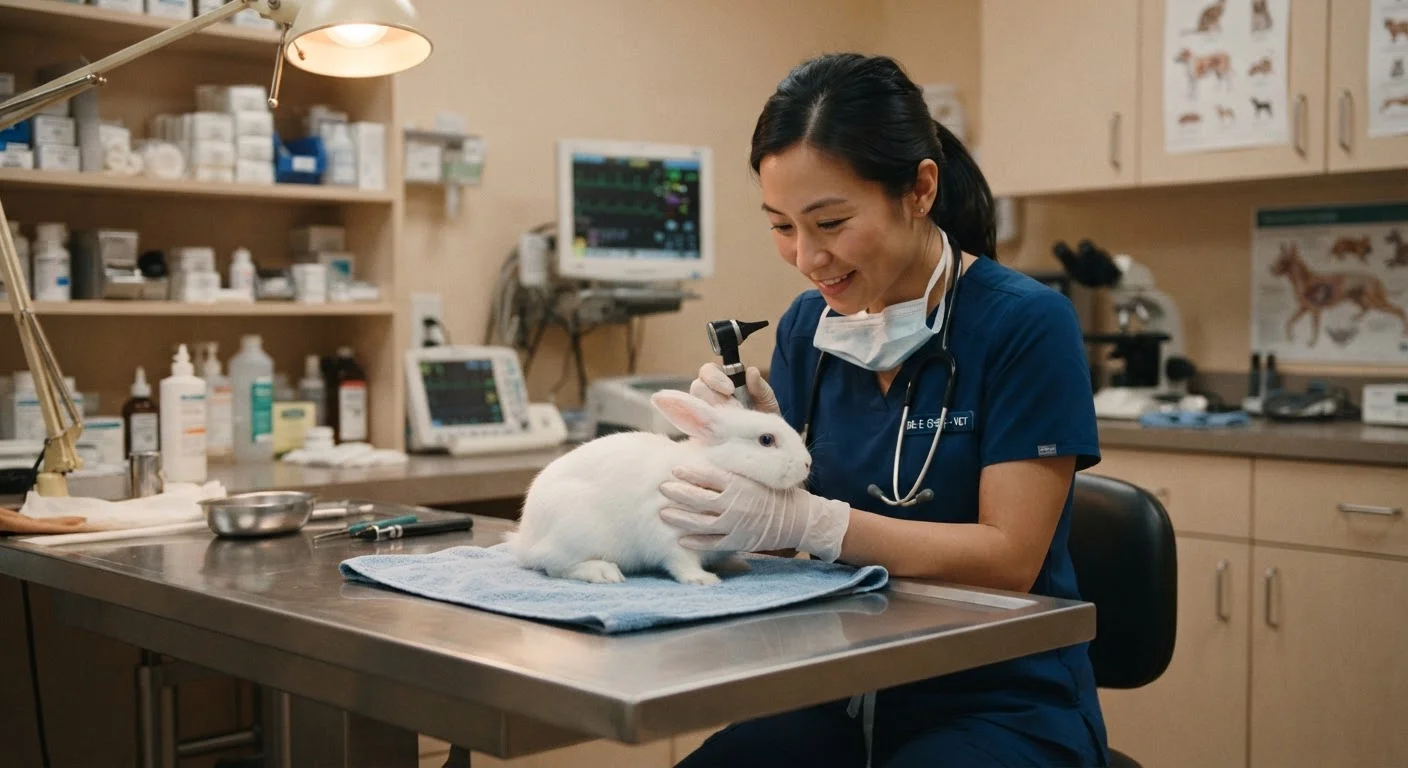
Photo: FaqExplorer.net | Informative Website editorial
Key Takeaways
- Most general vets are trained primarily for dogs and cats, not rabbits, birds, or guinea pigs.
- Exotic animal vets have species-specific training that can be critical for accurate diagnosis and treatment.
- Some general vets do see small pets competently - ask directly about their experience and caseload.
- Exotic pets often hide illness until it is advanced, making a knowledgeable vet even more important.
- Finding an exotic vet before an emergency occurs is one of the most important steps a small pet owner can take.
Why Veterinary Training Doesn't Automatically Include Small Pets
Veterinary school curricula in the United States are structured primarily around dogs, cats, and large animals like horses and cattle. While students receive some exposure to exotic species, the depth of that training varies considerably between programs - and it is rarely sufficient to build clinical confidence in treating animals like rabbits, parrots, or degus.
This matters because the biology of exotic pets is genuinely different. A rabbit's gastrointestinal system is far more sensitive than a dog's - gut stasis, a condition where the digestive tract slows or stops, can become life-threatening within hours. Birds mask signs of illness instinctively, often appearing healthy until a disease is already advanced. Guinea pigs cannot synthesize their own vitamin C and are prone to scurvy if diet is mismanaged. These are not minor variations on dog or cat medicine; they require a distinct body of knowledge.
A general practice vet who sees mostly dogs and cats may not be the most confident or well-equipped clinician for your rabbit's emergency - and that gap in knowledge can have real consequences. This is not a criticism of general vets, who are highly trained professionals. It is simply a recognition that veterinary medicine, like human medicine, has meaningful subspecialties.
Exotic Doesn't Mean Rare or Wild
What Sets Exotic Vets Apart
Exotic animal veterinarians have pursued additional education, mentorship, and clinical experience specifically focused on non-traditional companion species. This might mean completing an exotic animal internship or residency after veterinary school, working alongside an experienced exotic practitioner, or pursuing board certification through the American Board of Veterinary Practitioners (ABVP).
ABVP-certified exotic specialists - whether in avian practice or exotic companion mammal medicine - have met formal requirements including a documented caseload, peer-reviewed case submissions, and a comprehensive examination. That credential signals a high bar of proven expertise.
Beyond credentials, an exotic vet's clinic is often equipped differently. Appropriate anesthesia protocols for small mammals differ from those used in dogs. Imaging equipment calibrated for tiny bodies, species-specific drug formularies, and staff experienced in safely handling a frightened rabbit or bird all contribute to safer, more effective care.
~150
ABVP-certified exotic companion mammal specialists in the U.S.
According to the American Board of Veterinary Practitioners, board-certified exotic mammal specialists represent a small fraction of the overall veterinary workforce, reflecting the specialized nature of this training.
High
Proportion of exotic pet illness detected late
Veterinary behavior experts widely recognize that prey species like rabbits and guinea pigs instinctively conceal signs of illness, meaning disease is often advanced by the time owners notice symptoms.
When It Matters Most - and What to Ask
For routine wellness visits, a general vet with documented experience in your pet's species may serve you perfectly well. The stakes rise sharply in three situations: illness or injury, anesthesia and surgery, and end-of-life care. In each case, species-specific knowledge directly affects outcomes.
Before committing to a vet for your small pet, consider asking: How many patients of this species do you see each month? Have you treated this condition before in this species? Do you have species-appropriate anesthesia protocols? The answers will tell you a great deal about whether the practice is the right fit.
Finding an exotic-experienced vet before a crisis occurs is one of the most protective steps you can take. Emergency situations rarely allow time for research. If you are bringing home a rabbit for the first time, establishing veterinary care from day one should be near the top of your preparation list.
Find Your Exotic Vet Before You Need One
Navigating the Gray Area: General Vets Who See Exotics
Not every small pet owner lives in an area with a dedicated exotic vet. In rural or underserved regions, a general vet who has developed meaningful experience with small mammals or birds may be the most accessible - and sometimes genuinely excellent - option. Experience and caseload can compensate significantly for the absence of a formal exotic credential.
The key is transparency. A good general vet will be honest about the limits of their expertise and willing to refer you to a specialist or consult with one when a case exceeds their confidence. That professional humility is itself a quality worth seeking.
It is also worth dispelling a common misconception: that small pets are inherently low-maintenance and rarely need veterinary care. This belief - one of several small pet myths that can cause real harm - can lead owners to delay seeking care until a condition is severe. Small pets need attentive, knowledgeable veterinary oversight just as much as any dog or cat.
Alongside finding the right vet, supporting your small pet's overall wellbeing through daily enrichment and mental stimulation helps maintain the kind of baseline health that makes veterinary visits more straightforward.
This article is for general informational purposes only and does not constitute veterinary advice. Always consult a qualified veterinarian for guidance specific to your pet's health and care needs.
Frequently Asked Questions
The content on this site is provided for informational purposes only and should not be considered a substitute for professional advice. While we strive to provide accurate and up-to-date information, we make no guarantees regarding its completeness or accuracy. Always consult a qualified professional for advice specific to your circumstances before making any decisions.