
Your First Home Renovation: Understanding the Process Before You Start

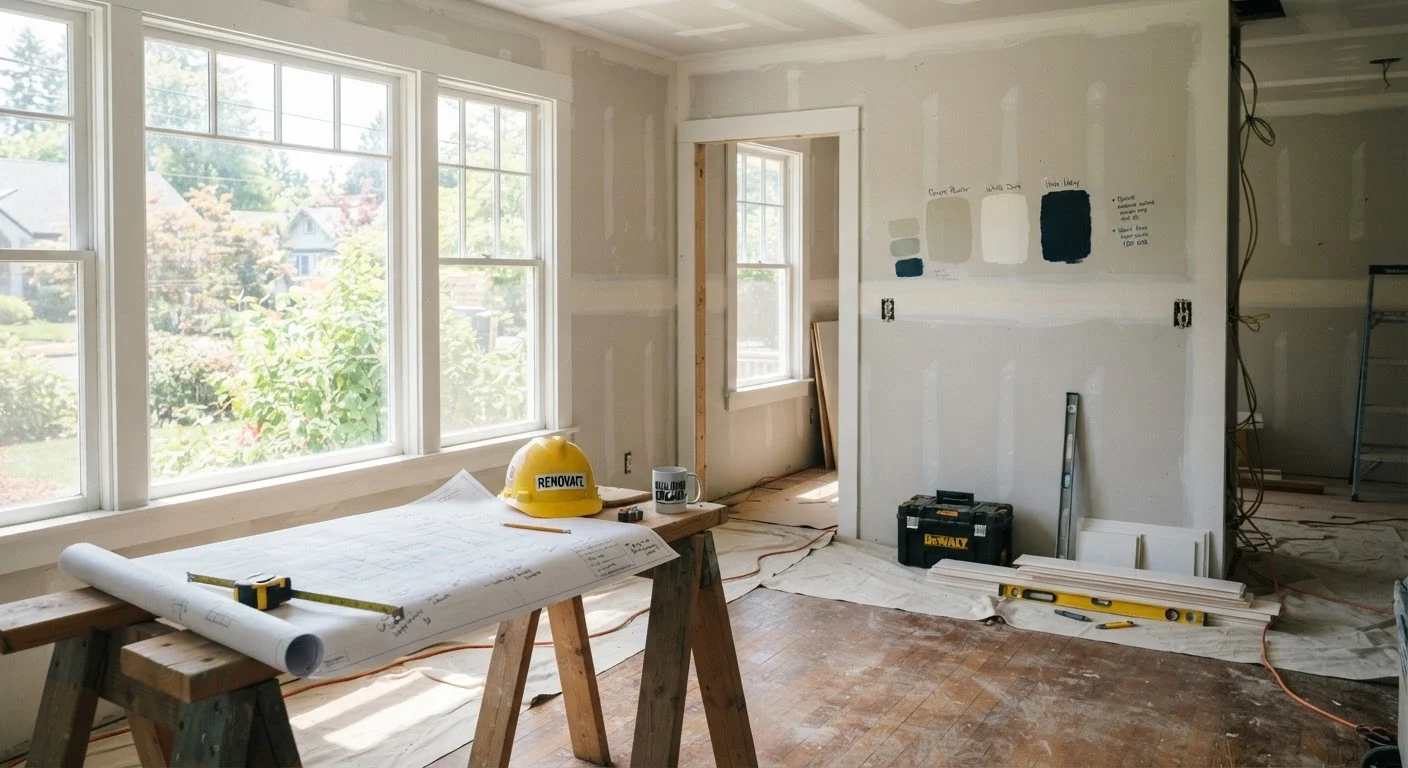
Photo: FaqExplorer.net | Informative Website editorial
Key Takeaways
- A written project scope prevents scope creep and protects you in contractor negotiations.
- Add a 15-20% contingency buffer to every renovation budget for unexpected costs.
- Skipping required permits can create legal and insurance problems when you sell the home.
- Always verify a contractor's license, insurance, and references before signing anything.
- Understanding each stage of the process reduces costly mid-project decision-making.
Define the Project Before Anything Else
Most renovation mistakes trace back to a poorly defined starting point. Before contacting a single contractor or visiting a showroom, write down exactly what you want to change and - critically - why. Are you solving a functional problem, improving comfort, or preparing the home for sale? The answer shapes every decision that follows.
Start with a scope of work: a plain-language list of every task, material, and outcome you expect. If you want a kitchen remodel, does that include appliances? Cabinet hardware? Reconfiguring the layout? The more specific this document, the less room there is for costly misunderstandings later. For broader context on tackling renovations of any scale, see the complete homeowner's roadmap to home improvement.
Also identify which improvements matter most if budget forces trade-offs. Prioritizing keeps the project on track when decisions get difficult mid-construction.
Scope of work
A written document listing every task, material, and outcome expected from a renovation project. It forms the foundation of any contractor contract.
Contingency fund
A reserved portion of your budget - typically 15-20% of the total estimate - set aside to cover unexpected costs discovered during construction.
Building permit
Official government authorization to perform specific construction work, allowing inspectors to verify that the work meets local safety codes.
Change order
A written amendment to an existing contractor agreement that documents any changes to scope, materials, timeline, or price agreed to after the original contract is signed.
General contractor
A licensed professional who oversees an entire renovation project, coordinating subcontractors, materials, scheduling, and compliance with building codes.
Load-bearing wall
A wall that supports the structural weight of the building above it. Removing or altering a load-bearing wall requires engineering review and almost always a permit.
Building a Realistic Budget
Underbudgeting is the most common first-renovation mistake. A realistic budget has three layers: the estimated project cost, a materials allowance, and a contingency fund of 15-20% above your total estimate. That contingency is not optional - walls opened during demo regularly reveal plumbing issues, outdated wiring, or moisture damage that wasn't visible beforehand.
Labor typically accounts for 30-50% of a project's cost, depending on your region and the work's complexity. Material costs vary enormously by grade and supplier. Get itemized quotes rather than a single lump-sum figure so you understand what you're paying for. Our reference guide on reading a contractor quote explains how to interpret every line of an estimate.
If you're financing the renovation, treat loan interest or draw fees as a project cost, not a separate consideration. For homeowners who recently purchased, the home buying process guide covers how renovation costs interact with mortgage and closing decisions.
Track Every Cost From Day One
Permits: What They Are and When You Need One
A building permit is official government authorization to perform specific construction work. Permits exist so that local inspectors can confirm the work meets safety codes - protecting you, future occupants, and buyers if you ever sell. Skipping a required permit is not a shortcut; it's a liability.
In most US jurisdictions, permits are required for structural changes, electrical panel upgrades, new plumbing lines, HVAC installation, room additions, and window or door replacements that alter load-bearing elements. Purely cosmetic work - painting, replacing flooring, swapping fixtures for like-for-like - generally does not require a permit, but requirements vary by city and county.
Unpermitted work can trigger fines, require demolition of completed work, complicate homeowners insurance claims, and become a major obstacle at closing if you sell the home. For a full breakdown of what typically requires a permit, see which home projects legally require a permit. Always verify with your local building department - their website is the authoritative source for your jurisdiction.
Finding and Hiring the Right Contractor
For any project beyond your own skill set, a qualified contractor is essential. Start by gathering at least three written quotes from licensed, insured professionals. Word-of-mouth referrals from neighbors or recent buyers in your area are a reliable starting point.
Before signing anything, verify: the contractor holds an active license in your state, carries general liability insurance and workers' compensation, and can provide references from comparable recent projects. Ask specifically whether they will pull the required permits - a contractor who suggests skipping permits to cut costs is a significant red flag.
Review the contract carefully. It should specify the scope of work, materials with brand and grade, start and completion dates, payment schedule, and a process for handling change orders. Avoid paying more than 10-30% upfront; tie subsequent payments to verified project milestones. For a deeper look at what separates a smooth hire from a costly dispute, read what experienced homeowners do differently when hiring a contractor.
Managing the Project Once Work Begins
Signing a contract is not the end of your involvement - it's the beginning of a new role. Effective homeowners stay engaged without micromanaging. Schedule brief weekly check-ins with the project lead, keep a written log of any decisions or changes agreed to verbally, and document progress with photos.
Any change to the original scope - whether contractor-initiated or your own - should be handled through a formal change order: a written amendment that specifies what's changing, why, and what it costs. Verbal agreements about additions are a frequent source of end-of-project disputes.
If serious problems arise - persistent schedule delays, incomplete work, or safety concerns - address them in writing promptly. Know that your local building department's inspectors are a resource: if permitted work fails inspection, the contractor must correct it before proceeding. When your project is complete, consider what functional improvements you might tackle next - renovation projects that genuinely change how a home functions highlights upgrades that deliver lasting daily impact.
This article provides general educational information about home renovation planning and is not a substitute for advice from a licensed contractor, building official, or legal professional. Always verify permit requirements and professional credentials with the relevant authorities in your jurisdiction.
Frequently Asked Questions
The content on this site is provided for informational purposes only and should not be considered a substitute for professional advice. While we strive to provide accurate and up-to-date information, we make no guarantees regarding its completeness or accuracy. Always consult a qualified professional for advice specific to your circumstances before making any decisions.