
Reading a Phone's Trade-In or Resale Value: What Depreciation Looks Like for Mobile Devices

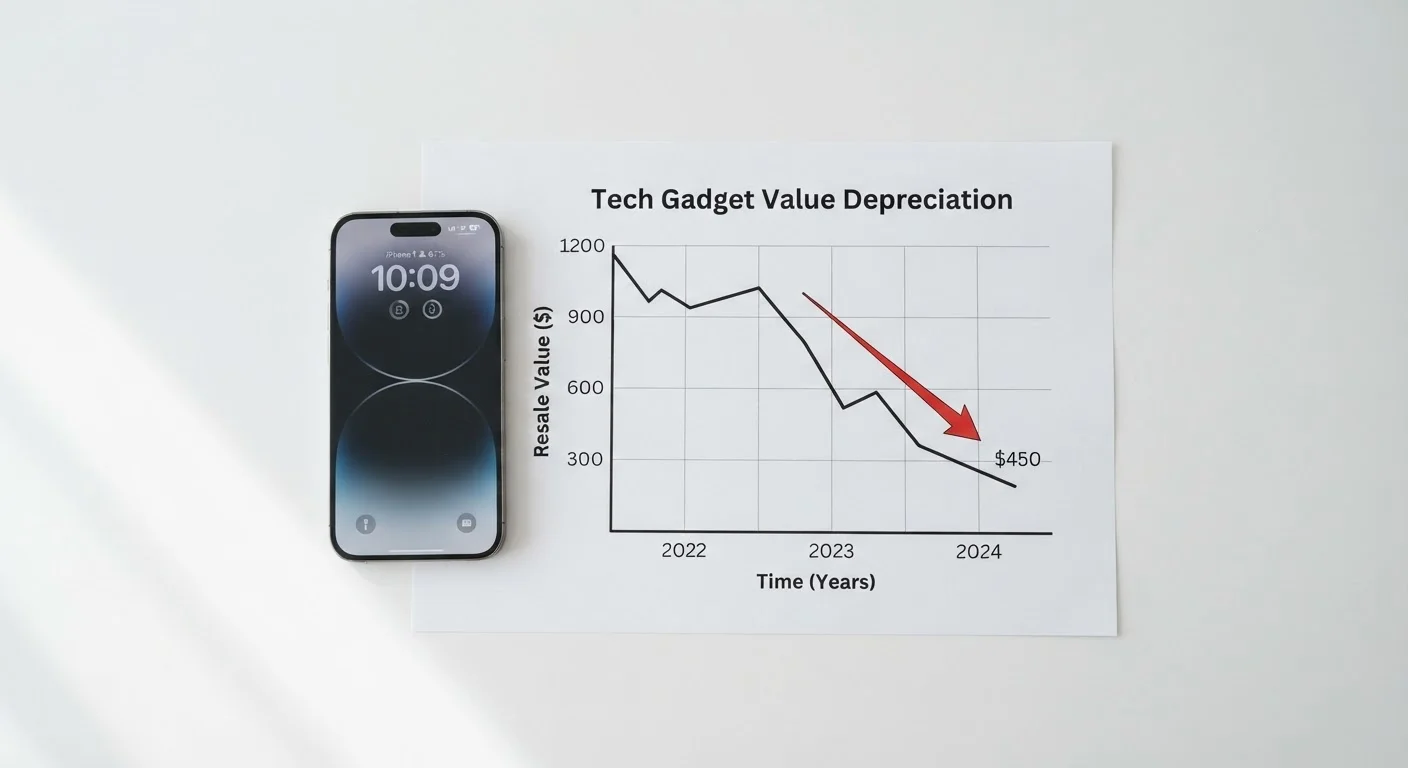
Photo: FaqExplorer.net | Informative Website editorial
Key Takeaways
- Phones typically lose the most value in the first year after release.
- Software update support timelines directly affect long-term resale desirability.
- Storage capacity, condition, and carrier lock status all influence trade-in offers.
- Flagship phones from established manufacturers often hold value better than budget or mid-range models.
- Timing your trade-in before a new model announcement can help you get a better offer.
Why Phones Lose Value Faster Than Most Electronics
Mobile phones sit in a uniquely fast-moving market. New flagship models arrive on roughly annual cycles, and each release shifts the entire secondary market downward. A phone that represented the pinnacle of camera technology in January may be described as "last year's model" by October - and the market prices it accordingly.
This is fundamentally different from, say, a laptop or a television, where upgrade cycles stretch to three or five years. Phone depreciation is also steeper early on. The device loses the most value in the first six to twelve months, then stabilizes as it finds a floor on the secondary market. Understanding this curve is the first step toward making smarter decisions about when to trade in and what to expect in return. The concept shares structural similarities with vehicle depreciation, where the steepest loss also happens immediately after purchase.
~45%
Average value lost in year one
Industry analysts tracking the secondary smartphone market consistently observe that most flagship devices shed roughly 40-50% of retail value within the first twelve months.
3-5 years
Typical software support window
Major manufacturers have expanded OS update commitments in recent years, with some pledging up to seven years of security patches - a factor that increasingly influences long-term resale desirability.
20-40%
Value reduction from physical damage
Trade-in programs typically offer significantly less for devices graded "fair" or "poor" due to cracked screens, damaged ports, or degraded batteries compared to "like new" condition.
The Key Factors That Shape Resale Price
No single number explains a phone's trade-in value. Instead, resale price is the product of several overlapping variables:
- Brand and model tier: Flagship devices from manufacturers with large, loyal user bases tend to retain value better than equivalent-spec devices from less established brands. This reflects consumer confidence in the ecosystem, software support longevity, and parts availability for repair.
- Software support timeline: Phones that continue to receive operating system updates remain secure and functional longer. A device that falls out of support becomes less attractive to buyers who rely on current security patches and app compatibility. Software support cycles are among the most important factors in a phone's actual useful lifespan.
- Physical condition: Scratches, cracked glass, and battery degradation all reduce trade-in offers. Most programs grade condition on a spectrum from "like new" to "poor," with substantial price gaps between grades.
- Storage configuration: Higher-capacity variants sell for more, though the secondary market premium is usually smaller than the original retail markup.
- Carrier lock status: Carrier-locked devices reach a narrower audience of potential buyers, which typically keeps offers lower than those for unlocked equivalents.
How to Read a Phone Listing with Depreciation in Mind
When evaluating a used phone - whether you're buying or preparing to sell - the device's spec sheet tells only part of the story. Understanding what specs actually indicate about longevity can sharpen your read on current value and future depreciation. Decoding phone specs helps you see past marketing language to what the hardware will actually deliver over time.
Look for signals beyond the headline processor and camera specs: How many years of guaranteed software updates remain? Is the battery health documented? Does the listing specify the exact storage tier? Each of these details influences how much life - and retained value - the device has left. A phone with strong specs but eighteen months of software support remaining is a fundamentally different value proposition than one with the same specs and four years of promised updates ahead of it.
Trade-in programs calculate offers using condition grades and market comps, so understanding how buyers evaluate these variables puts you in a stronger position whether you're assessing a purchase or preparing a sale. The same logic applies broadly in secondhand markets - how trade-in value is determined in the auto context follows comparable principles around condition, age, and market demand.
“The secondary market for smartphones is one of the most efficient pricing mechanisms in consumer electronics - it's remarkably good at reflecting what a device is actually worth at any given moment, not what it cost to make or what it sold for at launch.”
— Consumer Electronics Industry Analyst, Market research commentator on the secondhand device economy
Timing and Strategy: When to Sell for Maximum Return
The secondary market for phones is acutely sensitive to manufacturer announcements. When a new flagship is rumored or confirmed, demand for the current generation softens and prices follow. Selling or trading in before that announcement window - typically one to two months before a widely anticipated release - can meaningfully improve your return.
It's also worth distinguishing between trade-in channels. Carrier and retailer trade-in programs offer convenience and speed, but they price in their own margin. Peer-to-peer platforms give sellers access to buyers willing to pay closer to market value, though the process requires more time and involves some personal judgment about buyer reliability.
Neither channel is universally superior - the right choice depends on how much time you have, how comfortable you are with the process, and how much the price difference matters in your situation. The goal isn't to extract maximum dollars at any cost; it's to make a clear-eyed decision with realistic expectations about what your device is actually worth in the current market.
Frequently Asked Questions
The content on this site is provided for informational purposes only and should not be considered a substitute for professional advice. While we strive to provide accurate and up-to-date information, we make no guarantees regarding its completeness or accuracy. Always consult a qualified professional for advice specific to your circumstances before making any decisions.