
Building a Minimal Makeup Routine That Actually Works

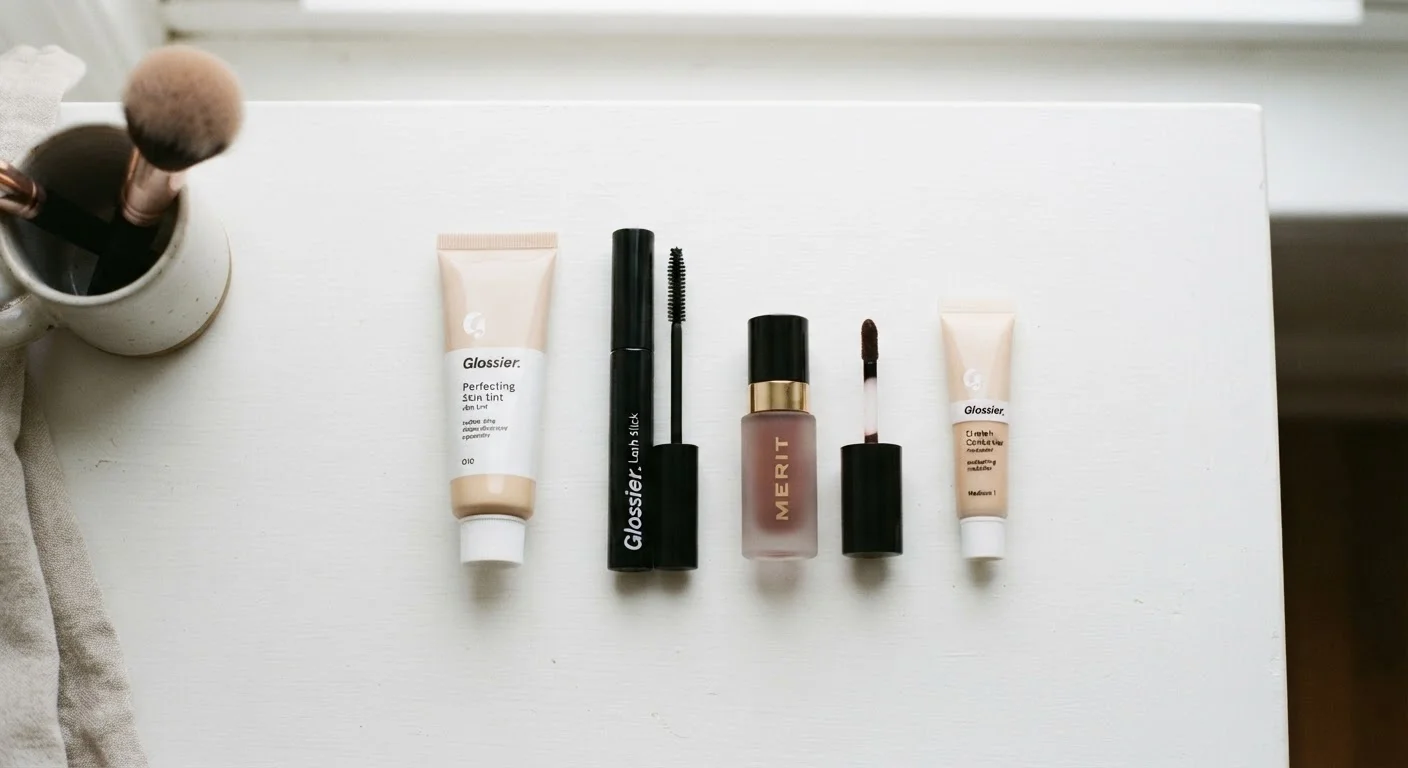
Photo: FaqExplorer.net | Informative Website editorial
Key Takeaways
- A minimal makeup routine typically needs only three to five products to be effective.
- Choosing products suited to your skin type prevents pilling, fading, and irritation.
- Prepping skin properly before any makeup is applied directly affects how long it lasts.
- Multitasking products - like tinted SPF or cream blush - reduce steps without sacrificing coverage.
- Consistency with a small routine outperforms an elaborate one applied inconsistently.
Why Less Can Mean More in Makeup
The promise of a minimal makeup routine isn't about looking bare-faced - it's about making intentional choices so that every product earns its place in your bag. Many people build routines by accumulating products rather than editing them, which leads to longer application times, more room for error, and more money spent on things that don't get used.
A stripped-down approach forces you to identify what your skin actually needs versus what marketing has suggested it needs. The result is typically a faster morning, fewer compatibility issues between layered products, and a finish that looks more natural because fewer textures are competing for space on your skin.
Before choosing any makeup, it helps to have a stable skincare foundation in place. If you're still working out your daily skin regimen, our skincare routine guide walks through that process step by step. Makeup performs better - and lasts longer - when it's applied to well-moisturized, sunscreen-protected skin. For the exact layering order, see skincare before makeup.
What You'll Need Before You Start
Before building your routine, take stock of your skin type and your daily schedule. Both directly determine which product categories are worth including and which you can skip entirely.
What you will need
With those in hand, you're ready to identify your core five: a skin-evening base, concealer (if needed), a single eye product, a cheek or lip color, and a setting element. Not every category is mandatory for every person - that's the point.
Tinted moisturizer or skin tint with SPF
Provides light, skin-evening coverage while doubling as sun protection - the most efficient base product for a minimal routine.
Concealer
Spot-corrects blemishes or under-eye discoloration where a skin tint alone isn't enough.
Cream blush or lip-and-cheek tint
Adds warmth and color to both cheeks and lips with a single product, reducing total product count.
Mascara
Defines lashes to open up the eye area with minimal effort and no additional tools required.
Translucent setting powder or setting spray
Extends wear time and reduces mid-day shine, particularly useful for oily or combination skin types.
Building the Routine Step by Step
Complete your skincare and let it absorb
Apply your cleanser, moisturizer, and SPF in order and wait approximately two minutes before reaching for any makeup. This prevents pilling - the balling-up of product that happens when makeup is applied over still-wet skincare layers. Morning and evening skincare timing affects product performance more than most people realize.
Apply your base product where skin needs it
Rather than covering your entire face, apply your tinted moisturizer or skin tint only where you want coverage - typically the center of the face, around the nose, and any redness-prone areas. Use your fingers, a damp sponge, or a brush to blend outward. This technique uses less product and looks more natural than full-face application.
Spot-conceal only where necessary
If your base product left any spots, blemishes, or dark circles uncovered, apply a small amount of concealer directly to those areas only. Pat - don't rub - with a fingertip or small brush to avoid disturbing the base underneath. Less is more here: building thin layers gives better coverage than one heavy application.
Add color with a multitasking product
A cream blush or lip-and-cheek tint applied to the apples of the cheeks and dabbed onto the lips brings warmth and cohesion to a minimal look without requiring two separate products. Cream formulas blend more naturally than powder on skin that already has a dewy base, and they don't require brushes - fingers work well.
Define lashes if desired
Mascara is optional but high-impact for minimal effort. Apply one coat from root to tip, wiggling the wand slightly at the base to add definition without clumping. One coat is usually sufficient for a natural look; two coats can be added for more emphasis if that suits your preference.
Set the look to extend wear
If you have oily or combination skin, a light dusting of translucent setting powder across the T-zone - or a few spritzes of setting spray over the finished look - can meaningfully extend how long your routine lasts. For dry skin types, a setting spray is generally preferable to powder, which can emphasize dry patches.
Common Pitfalls and How to Avoid Them
Even a minimal routine can go sideways if the product-to-skin-type match is off. Oily skin paired with a heavy cream foundation, for instance, will break down faster than a lightweight, water-based formula would. Similarly, dry skin under a matte powder formula may look flaky within hours.
Match Formula to Skin Type First
Another common mistake is skipping the skincare layer underneath. Makeup applied directly to unhydrated skin tends to cling to dry patches and fade unevenly. Think of skincare as the surface preparation - understanding what each skincare step does helps clarify what you actually need before you reach for any makeup product.
If you're new to wearing makeup at all, the beginner's guide to building makeup skills offers a judgment-free starting point for tools and application technique before refining a minimal routine.
The content on this site is provided for informational purposes only and should not be considered a substitute for professional advice. While we strive to provide accurate and up-to-date information, we make no guarantees regarding its completeness or accuracy. Always consult a qualified professional for advice specific to your circumstances before making any decisions.