
Fragrance in Skincare: What the Pros and Cons Look Like for Different Skin Types

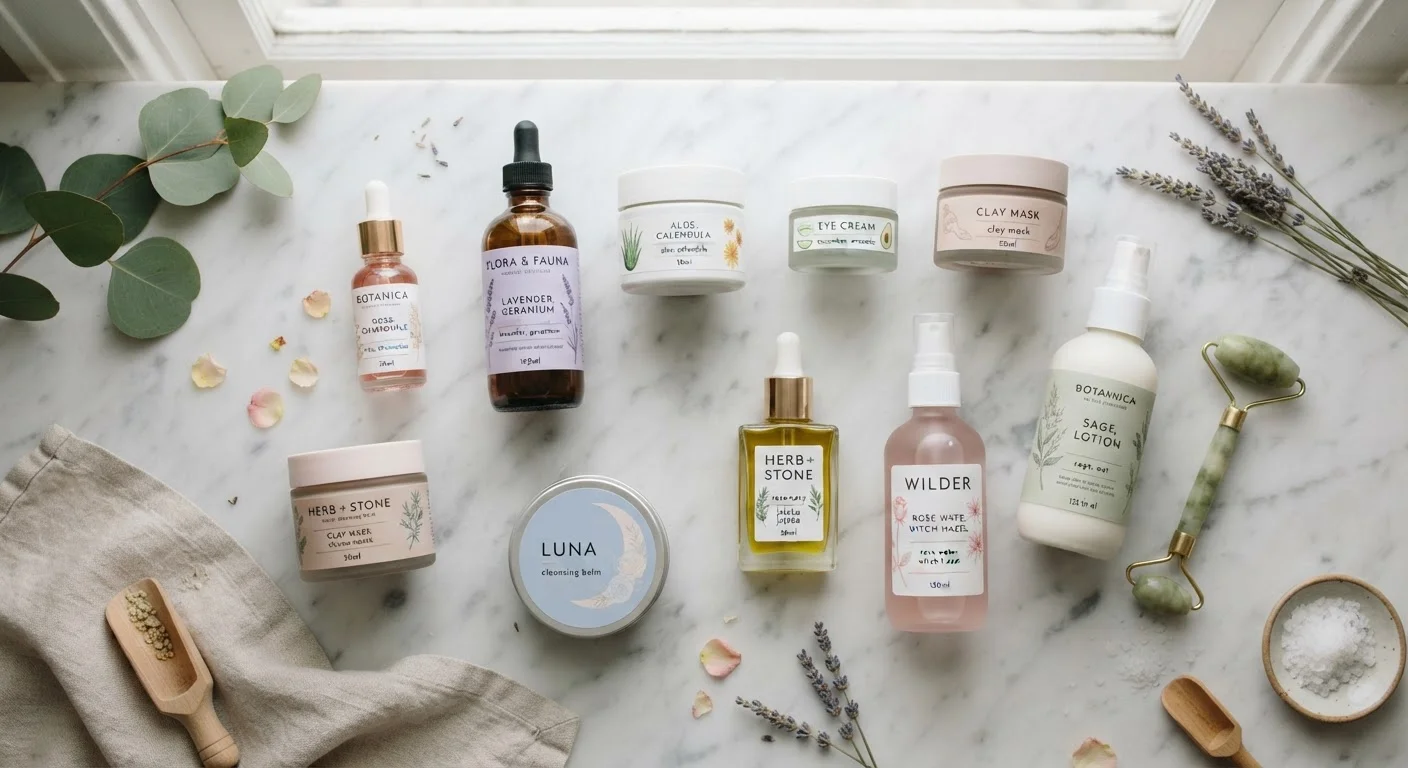
Photo: FaqExplorer.net | Informative Website editorial
Key Takeaways
- Fragrance in skincare can serve functional purposes but carries real irritation risks for certain skin types.
- Sensitive, eczema-prone, and barrier-compromised skin are most vulnerable to fragrance-related reactions.
- Both synthetic and natural fragrances can trigger reactions - 'natural' does not automatically mean safer.
- Patch testing is the most reliable way to assess your personal tolerance before committing to a scented product.
- Fragrance-free labels indicate no added scent compounds, while 'unscented' may still contain masking fragrances.
Improves sensory experience and product compliance
A pleasantly scented product is more enjoyable to use, which can encourage consistent application - and consistency is one of the most important factors in skincare efficacy.
Masks unpleasant odors from active ingredients
Ingredients like sulfur compounds, certain peptides, and some acids have naturally off-putting smells that fragrance can neutralize, making formulas more commercially viable without compromising function.
Low risk in rinse-off formats for most skin types
In cleansers, shower gels, and rinse-off masks, fragrance contact time is brief enough that reactions are uncommon in people without pre-existing sensitivity.
Aromatherapy associations can support a wellness routine
While not a clinical skin benefit, certain scents are associated with reduced stress - a factor that, if it supports routine adherence, has an indirect positive effect on skin health over time.
Leading cause of contact dermatitis in cosmetics
Fragrance is consistently identified as one of the top allergens in cosmetic products by dermatologists and patch-test data, capable of causing both irritant and allergic contact reactions.
Risk increases with barrier compromise
When the skin barrier is weakened - due to over-exfoliation, eczema, or environmental damage - fragrance molecules penetrate more easily, raising both irritation and sensitization risk.
Sensitization can develop over time with repeated exposure
Even if fragrance has been tolerated for years, the immune system can develop a delayed sensitivity, meaning a reaction can appear suddenly after prolonged or cumulative exposure.
'Natural' fragrance carries equal or greater risk
Essential oils like lavender, bergamot, and eucalyptus contain known sensitizing compounds and are not inherently safer than synthetic fragrance - some pose additional phototoxicity concerns.
Masking fragrances in 'unscented' products still pose risk
Products labeled unscented may contain fragrance compounds added to neutralize odor, meaning individuals avoiding fragrance for sensitivity reasons may unknowingly be exposed.
Provides no direct skincare benefit
Fragrance is functionally inert from a skin-treatment perspective - it addresses smell, not skin concerns - meaning any irritation risk it carries comes without a compensating therapeutic benefit.
What Fragrance Actually Does in a Skincare Formula
Fragrance in skincare is rarely just cosmetic. Formulators add it to improve the sensory experience of a product - masking the sometimes unpleasant base smell of active ingredients like niacinamide, AHAs, or certain oils. In some cases, fragrance can also influence perceived product performance: research in sensory science suggests that pleasant scent can shape how effective consumers believe a product to be.
On the ingredient label, fragrance can appear as "fragrance," "parfum," "aroma," or as individual named compounds - linalool, limonene, geraniol, and citronellol are common examples. These compounds may be synthesized in a lab or derived from botanical sources like essential oils, but both categories contain molecules capable of triggering skin reactions in susceptible individuals.
Understanding how fragrance interacts with your skin starts with knowing your barrier health. The skin barrier and its role in skincare decisions is foundational here - when the barrier is intact, it can buffer many potential irritants. When it's compromised, even low concentrations of fragrance compounds can penetrate deeper and provoke a response.
The Case for Fragrance: Where It Can Work
For consumers with normal, resilient, or oily skin that doesn't trend toward sensitivity, fragrance in skincare is largely a non-issue at typical use concentrations. Here's where it genuinely adds value:
Improves sensory experience and product compliance
A pleasantly scented product is more enjoyable to use, which can encourage consistent application - and consistency is one of the most important factors in skincare efficacy.
Masks unpleasant odors from active ingredients
Ingredients like sulfur compounds, certain peptides, and some acids have naturally off-putting smells that fragrance can neutralize, making formulas more commercially viable without compromising function.
Low risk in rinse-off formats for most skin types
In cleansers, shower gels, and rinse-off masks, fragrance contact time is brief enough that reactions are uncommon in people without pre-existing sensitivity.
Aromatherapy associations can support a wellness routine
While not a clinical skin benefit, certain scents are associated with reduced stress - a factor that, if it supports routine adherence, has an indirect positive effect on skin health over time.
It's worth noting that rinse-off products - cleansers, masks, and exfoliants - present a lower fragrance risk than leave-on formulas like serums or moisturizers, simply because contact time with skin is reduced.
The Concerns: When Fragrance Becomes a Problem
The dermatology community has built a substantial evidence base around fragrance as one of the leading causes of contact dermatitis and skin sensitization. These risks are not theoretical - they are dose-dependent, cumulative, and vary by individual. For certain skin profiles, fragrance is best minimized or avoided entirely.
Leading cause of contact dermatitis in cosmetics
Fragrance is consistently identified as one of the top allergens in cosmetic products by dermatologists and patch-test data, capable of causing both irritant and allergic contact reactions.
Risk increases with barrier compromise
When the skin barrier is weakened - due to over-exfoliation, eczema, or environmental damage - fragrance molecules penetrate more easily, raising both irritation and sensitization risk.
Sensitization can develop over time with repeated exposure
Even if fragrance has been tolerated for years, the immune system can develop a delayed sensitivity, meaning a reaction can appear suddenly after prolonged or cumulative exposure.
'Natural' fragrance carries equal or greater risk
Essential oils like lavender, bergamot, and eucalyptus contain known sensitizing compounds and are not inherently safer than synthetic fragrance - some pose additional phototoxicity concerns.
Masking fragrances in 'unscented' products still pose risk
Products labeled unscented may contain fragrance compounds added to neutralize odor, meaning individuals avoiding fragrance for sensitivity reasons may unknowingly be exposed.
Provides no direct skincare benefit
Fragrance is functionally inert from a skin-treatment perspective - it addresses smell, not skin concerns - meaning any irritation risk it carries comes without a compensating therapeutic benefit.
The 'Natural' Fragrance Misconception
If you're layering multiple scented products in one routine, the cumulative fragrance load increases - even if each individual product sits within a safe concentration range. This is one reason ingredient conflicts in routines extend beyond active ingredient interactions alone.
Skin Type Breakdown: A Practical Guide
Not all skin types carry the same fragrance risk. Here's how to calibrate your approach:
- Normal or oily, non-sensitive skin
- Generally tolerates fragrance well in leave-on products at standard concentrations. Still worth monitoring for any cumulative sensitivity that develops over time.
- Dry skin
- Often correlates with a mildly compromised barrier, making it more susceptible than oily skin. Fragrance in rich creams and oils - where it may sit on skin for hours - warrants some caution.
- Combination skin
- Tolerance varies by zone. Fragrant products may perform fine on oilier areas but cause mild irritation on drier patches.
- Sensitive or reactive skin
- Fragrance is among the top triggers. Fragrance-free formulas are strongly recommended as the default starting point.
- Rosacea-prone skin
- Fragrance compounds can act as vasodilators, potentially worsening flushing and redness. A dermatologist-guided fragrance-free routine is typically advised.
- Eczema or atopic dermatitis
- The barrier dysfunction characteristic of eczema makes fragrance penetration more likely, increasing sensitization risk substantially. Fragrance-free is the clinical standard.
~1 in 10
People who develop fragrance allergy
Contact allergy to fragrance affects an estimated 8-10% of the general population, according to dermatological literature on patch-test results across multiple countries.
Top 5
Fragrance rank among cosmetic allergens
Fragrance mixtures consistently appear among the top five allergens identified in cosmetic patch-test panels in dermatology research.
For anyone introducing a new scented product, patch testing your skincare products before full application is the most practical safeguard regardless of skin type.
Decoding Labels: Fragrance-Free vs. Unscented
One of the most persistent label confusions in skincare: fragrance-free and unscented do not mean the same thing. Fragrance-free means no scent compounds - synthetic or natural - have been intentionally added to the formula. Unscented means the product has no perceptible smell, but this can be achieved by adding masking fragrances that neutralize odor without being detectable. Those masking agents still count as fragrance compounds and can still trigger reactions.
Similarly, labeling a product as "natural" does not eliminate fragrance risk. Essential oils - lavender, bergamot, ylang-ylang - contain many of the same sensitizing compounds found in synthetic fragrance blends, and some (citrus-derived oils in particular) are phototoxic when used in leave-on products applied before sun exposure. For a deeper look at how to interpret what skincare labels are actually communicating, the active ingredients glossary offers useful grounding.
This article is for general informational purposes only and is not a substitute for professional dermatological or medical advice. If you have a skin condition or experience reactions to skincare products, consult a qualified dermatologist.
The content on this site is provided for informational purposes only and should not be considered a substitute for professional advice. While we strive to provide accurate and up-to-date information, we make no guarantees regarding its completeness or accuracy. Always consult a qualified professional for advice specific to your circumstances before making any decisions.