
Your Seasonal Skincare Adjustment Checklist

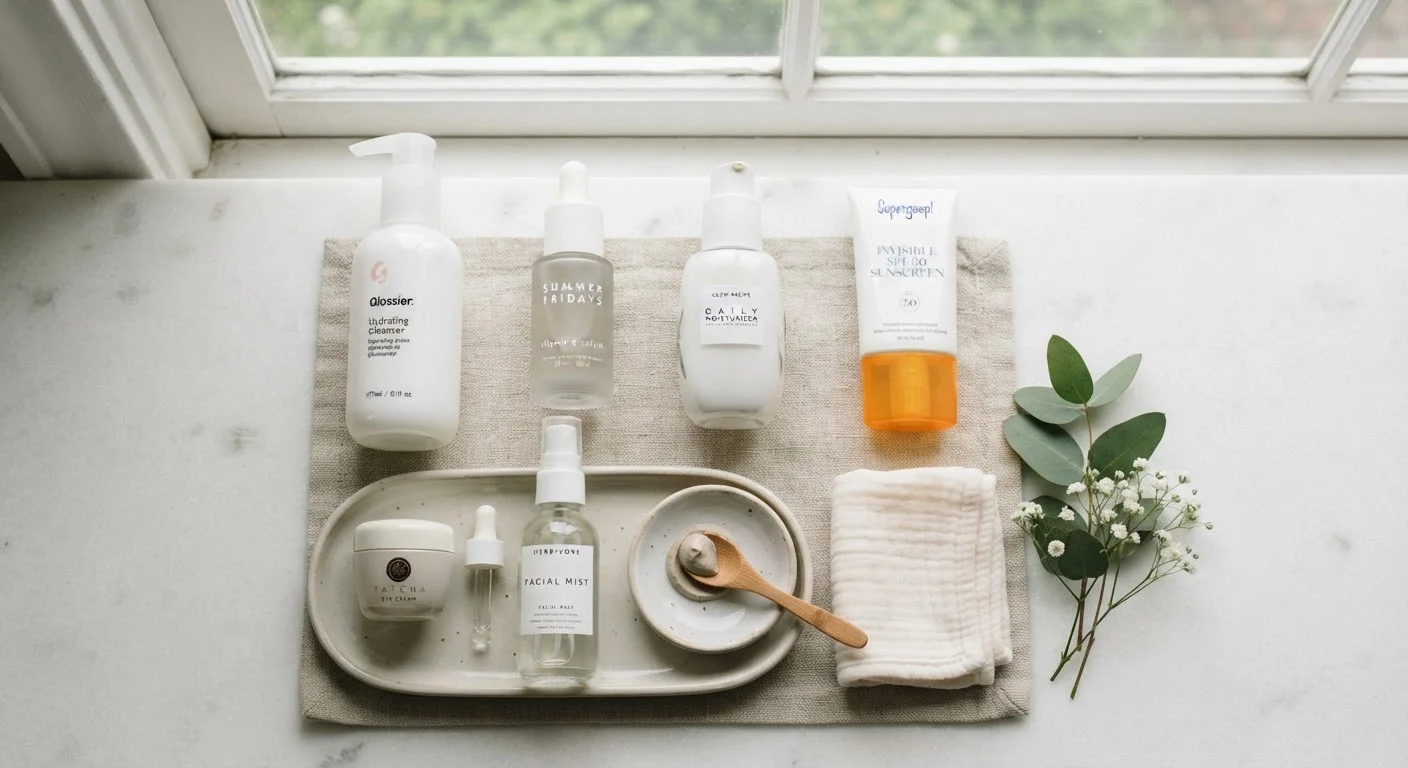
Photo: FaqExplorer.net | Informative Website editorial
Key Takeaways
- Skin's hydration needs and oil production change with temperature and humidity shifts.
- Swapping one or two key products-not your entire routine-is usually enough for seasonal adjustment.
- SPF is a year-round non-negotiable, even during winter months with lower UV index.
- Patch test any new seasonal products before full-face application to reduce reaction risk.
- Exfoliation frequency often needs to increase in summer and decrease in dry winter conditions.
Why Seasonal Adjustments Matter
Your skin is a living organ that responds to its environment. When outdoor temperature drops, indoor heating reduces ambient humidity, which accelerates transepidermal water loss - the process by which moisture evaporates through the skin barrier. In contrast, warm, humid summers can increase sebum production and clog pores more readily. Neither extreme is inherently harmful, but using the wrong products for the current conditions can amplify both problems.
This checklist is designed to be used four times a year - ideally a week or two before each new season fully sets in. If you're starting from scratch, our step-by-step routine guide is a useful companion. Once you understand the purpose of each product category, the seasonal audit becomes much more intuitive. You can also review what each routine step actually does to make sharper swap decisions.
Work through each group below methodically. Check items you're already doing correctly, flag anything you need to act on, and prioritize the must items before addressing should or nice-to-have enhancements.
Cleanser Review
Moisturizer & Hydration
Sun Protection
Exfoliation Frequency
Active Ingredients Audit
Environment & Lifestyle Factors
Tools You'll Need for This Audit
You don't need specialized equipment to complete this checklist, but a few resources will make the process more thorough and help you avoid guesswork.
Ingredient checker or skincare app
Helps you identify ingredient functions, potential interactions, and expiration context when evaluating your current product lineup.
Small notebook or notes app
Use it to log your current products, flag what needs swapping, and track how your skin responds after seasonal changes.
Hygrometer (indoor humidity monitor)
Measures the relative humidity in your home so you can objectively assess whether your environment requires a heavier or lighter moisturizing approach.
Clean facial mirror with good lighting
Allows you to closely observe current skin texture, congestion, dryness, or sensitivity before deciding which adjustments are needed.
Before introducing any new seasonal product to your full routine, follow a proper patch-testing protocol. Our practical patch testing walkthrough explains the correct method and what responses to watch for over 24-48 hours.
Don't Overhaul Your Entire Routine at Once
AM vs. PM Considerations Each Season
Seasonal adjustments affect your morning and evening routines differently, and it helps to think through them separately. In the morning, the priority is protection - appropriate SPF, a lightweight antioxidant serum if you use one, and a moisturizer suited to that day's humidity level. In the evening, the focus shifts to repair and hydration replenishment.
During summer, your AM routine may be lighter overall because ambient humidity provides passive hydration support. In winter, you may need to layer a hydrating toner or essence beneath your moisturizer in the evening to compensate for heat-related dryness. For a fuller breakdown of why timing shapes product selection, see our article on morning vs. evening routine differences.
This article provides general skincare education and is not a substitute for advice from a qualified dermatologist or healthcare provider. If you experience persistent skin concerns, irritation, or a reaction to any product, consult a licensed skincare professional.
The content on this site is provided for informational purposes only and should not be considered a substitute for professional advice. While we strive to provide accurate and up-to-date information, we make no guarantees regarding its completeness or accuracy. Always consult a qualified professional for advice specific to your circumstances before making any decisions.