
Keeping a High-Mileage Car Running Well

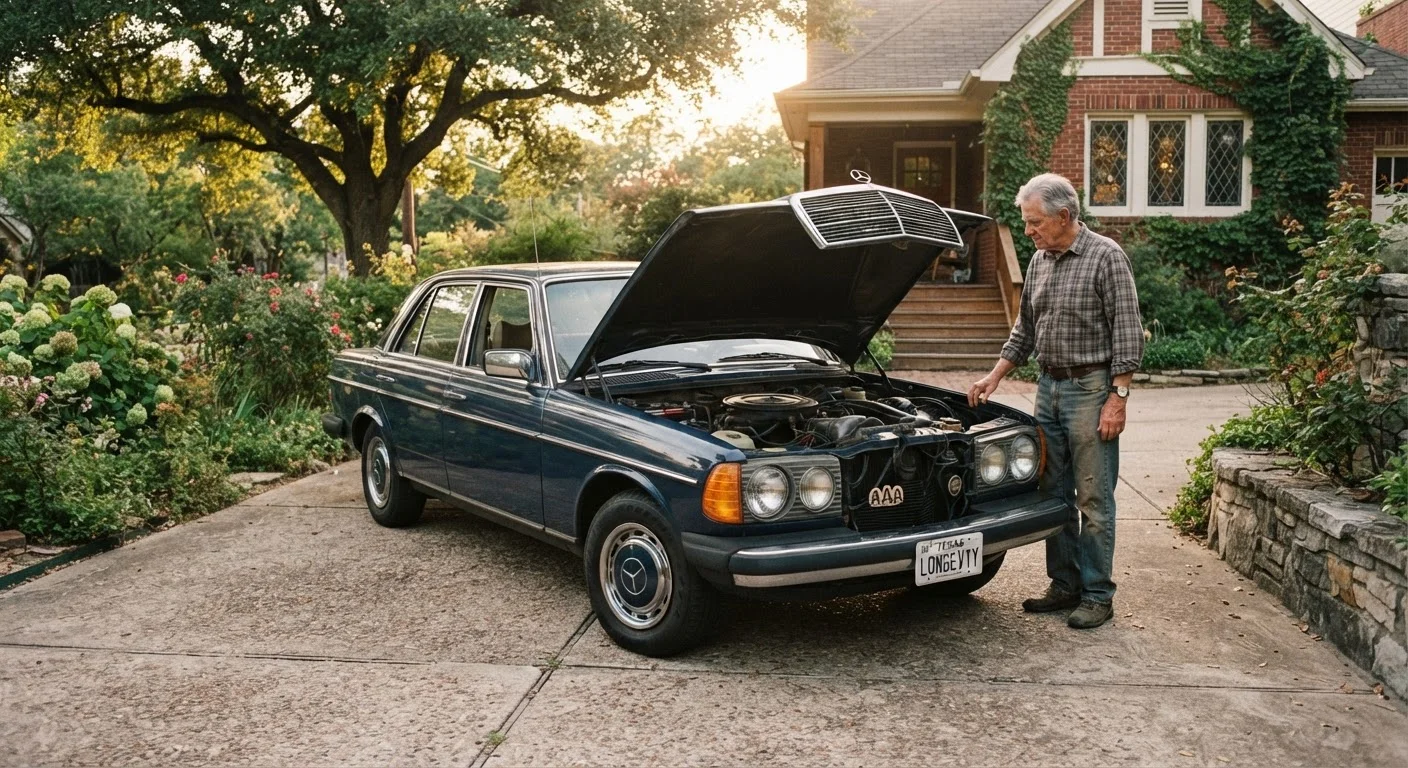
Photo: FaqExplorer.net | Informative Website editorial
Key Takeaways
- Vehicles past 100,000 miles need more frequent fluid checks and component inspections than newer cars.
- Addressing small problems early prevents the expensive cascading failures common in aging vehicles.
- Shifting from a reactive to a preventive maintenance mindset is the single biggest factor in longevity.
- Rubber components, gaskets, and cooling systems become higher-priority maintenance items after high mileage.
- Knowing when repair costs outweigh the vehicle's value helps you make smarter financial decisions.
Why High-Mileage Vehicles Need a Different Approach
Once an odometer crosses 100,000 miles, a vehicle enters a new phase. Parts that were comfortably within their service life now show genuine wear - rubber seals harden, gaskets weaken, and systems that ran quietly for years begin to signal their age. That doesn't mean the car is finished; it means the rules change.
Many drivers keep applying the same habits they used during the car's first decade, then wonder why problems multiply. A high-mileage vehicle rewards close attention and a proactive stance. Think of it less like routine maintenance and more like ongoing stewardship - similar to how caring for an older dog requires a deliberately shifted approach as needs evolve.
The good news: most high-mileage failures are preventable. The vehicle usually provides warning signs well before a breakdown. The key is knowing what to watch and acting on it promptly.
Switch to a high-mileage motor oil formulation and shorten your change intervals if needed.
Inspect and replace coolant hoses, belts, and seals on a schedule - not just when they fail.
Flush and replace transmission fluid, coolant, and brake fluid at manufacturer-specified intervals - or sooner.
Check tire condition and alignment more frequently as suspension components age.
Test your battery and charging system annually, especially after 5 years of service.
The Core Practices That Make the Difference
The habits below aren't just generic maintenance advice - they reflect the specific vulnerabilities of vehicles that have accumulated real mileage. Pairing these with a structured routine (see our guide to building a car maintenance schedule that actually works) gives you a complete framework.
Also be aware that aging vehicles are particularly vulnerable to seasonal stress. Before temperatures drop, run through a dedicated pre-winter vehicle prep checklist - cold weather accelerates wear on batteries, belts, and cooling systems that are already near the end of their service life.
Warning Signs You Should Never Ignore
On a high-mileage vehicle, dashboard lights and unusual sounds carry more urgency than they might on a newer car. Systems are working closer to their limits, so a small symptom can escalate quickly. Understanding what your car's warning lights are actually telling you is especially important at this stage.
77%
Share of vehicles on U.S. roads past 100,000 miles
According to IHS Markit vehicle population data, the average age of cars in operation in the U.S. has risen steadily, with a growing proportion exceeding 100,000 miles.
$1,200+
Typical cost of a neglected transmission repair
Industry repair cost surveys consistently place automatic transmission rebuild or replacement among the most expensive failures, often avoidable with routine fluid service.
Some patterns deserve immediate attention: oil pressure warnings, coolant temperature spikes, transmission shudders, or any burning smell. Others - like a slightly rough idle - may allow a short window to schedule service without panic. The goal is accurate triage, not alarm or complacency. And if you're unsure whether a repair is worth the cost, that's a legitimate financial question. Compare the estimated repair cost against the vehicle's realistic market value and your remaining loan balance, if any, before committing.
For a broader look at habits that quietly degrade vehicles over time, see our piece on mistakes that shorten a car's lifespan.
When Repair Costs Approach Vehicle Value
The content on this site is provided for informational purposes only and should not be considered a substitute for professional advice. While we strive to provide accurate and up-to-date information, we make no guarantees regarding its completeness or accuracy. Always consult a qualified professional for advice specific to your circumstances before making any decisions.