
Bringing a New Small Pet Home: A Preparation Checklist

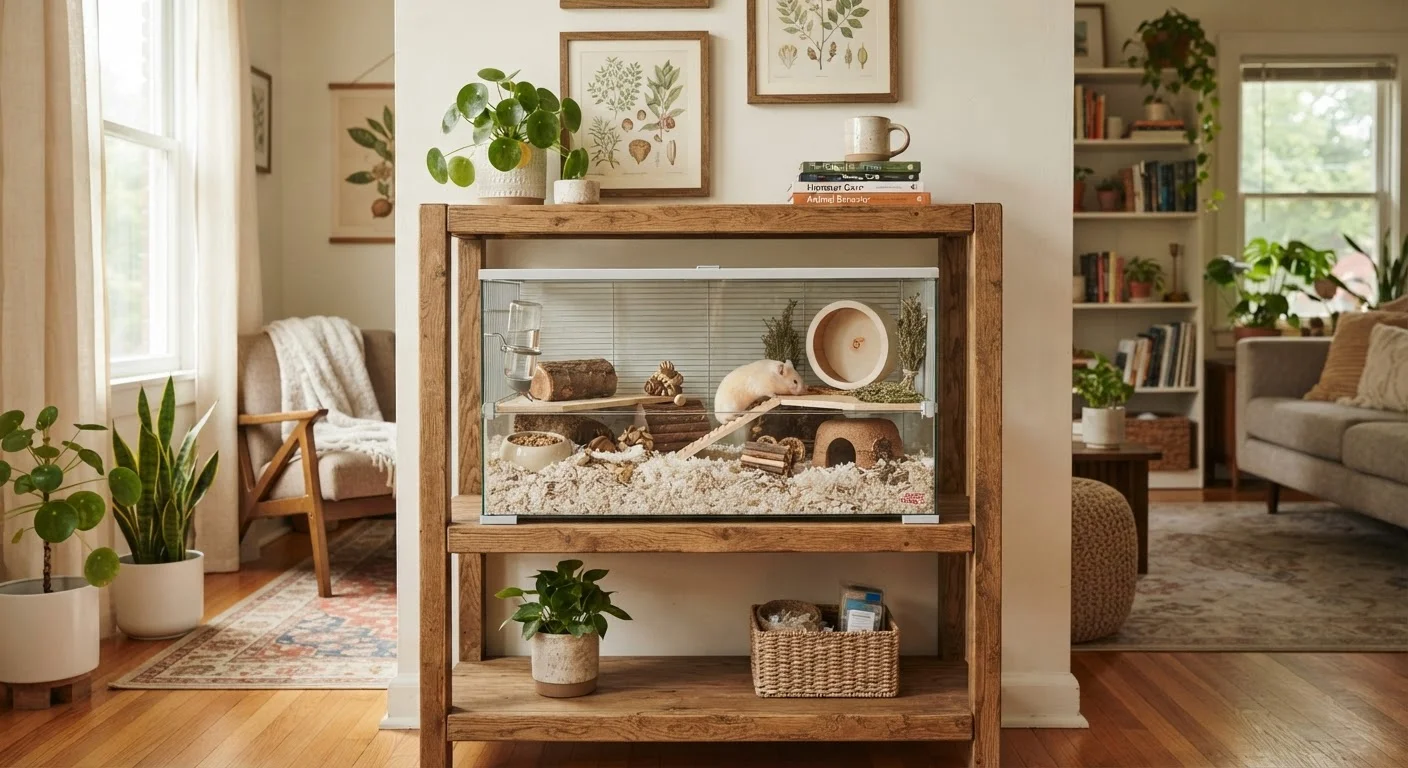
Photo: FaqExplorer.net | Informative Website editorial
Key Takeaways
- Small pets have highly specific habitat requirements - research your species before purchasing any supplies.
- Identifying a qualified exotic or small animal vet before your pet arrives is a critical step many owners skip.
- Household hazards like fumes, drafts, and certain plants can harm small animals that seem fine to larger pets.
- A quiet transition period in the first 48-72 hours significantly reduces new-pet stress.
- Budgeting for ongoing costs - not just startup supplies - sets owners up for long-term success.
Why Small Pets Deserve Extra Preparation
Bringing a rabbit, guinea pig, hamster, gerbil, chinchilla, or other small specialty pet home is genuinely exciting - but these animals have needs that differ significantly from dogs and cats. Many small pets are prey animals by nature, which means they mask stress and illness effectively. That tendency makes the environment you set up before they arrive matter even more than it might with other animals.
This checklist is designed for owners of small and specialty pets preparing for a new arrival. Whether this is your first small pet or you're adding to an existing household, working through each item in advance helps you avoid the most common pitfalls. If you're also considering a cat or dog, see our guides for bringing a first cat home and what to expect with a new dog for species-specific context.
Use the checklist below to audit your readiness across five key areas: habitat, supplies, household safety, veterinary care, and the first 72 hours.
Habitat Preparation
Food, Water, and Supplies
Household Safety
Veterinary and Health Readiness
First 72 Hours Plan
Tools and Resources You'll Need
Before you start checking off items, make sure you have access to the following resources. Your specific species will determine which are most relevant, but most owners will need the majority of these.
Species-specific care guide
Provides husbandry standards - enclosure size, diet, temperature ranges - specific to your animal.
Exotic or small animal veterinarian contact
Essential for pre-arrival consultation and scheduling a new-pet wellness exam.
Appropriate enclosure with secure locking mechanism
Houses your pet safely and prevents escapes or intrusions from other household animals.
Thermometer and hygrometer
Monitors temperature and humidity inside or near the enclosure for species that require specific environmental conditions.
Secure transport carrier
Safely moves your pet from its source to your home with minimal stress.
Pet-safe disinfectant cleaner
Used for routine enclosure sanitation without exposing your pet to harmful chemical residues.
Setting Up the Habitat: What to Know First
Habitat setup is the most species-dependent part of small pet preparation, and it's where many owners make costly early mistakes - buying enclosures that are too small, using unsuitable bedding, or placing the habitat in a hazardous location. Research your specific animal's requirements thoroughly before purchasing anything.
Enclosure Size Is Frequently Underestimated
For bird owners specifically, our habitat setup guide for pet birds covers cage sizing, perch placement, and air quality risks in detail. For a broader look at what ownership really costs beyond the initial setup, our breakdown of small pet ownership costs is worth reading before you finalize your budget.
Once your habitat is ready and your home is prepared, plan for a calm, low-stimulation arrival experience. Small animals typically need 48-72 hours of quiet adjustment time before regular handling begins. Knowing the warning signs that a small pet may be unwell will also help you monitor your new arrival with confidence during that first critical week.
This article provides general educational information for prospective small pet owners and is not a substitute for guidance from a qualified exotic animal veterinarian. Always consult a vet with experience in your specific species before making health or care decisions.
The content on this site is provided for informational purposes only and should not be considered a substitute for professional advice. While we strive to provide accurate and up-to-date information, we make no guarantees regarding its completeness or accuracy. Always consult a qualified professional for advice specific to your circumstances before making any decisions.