
The Hidden Costs of Owning a Small Pet

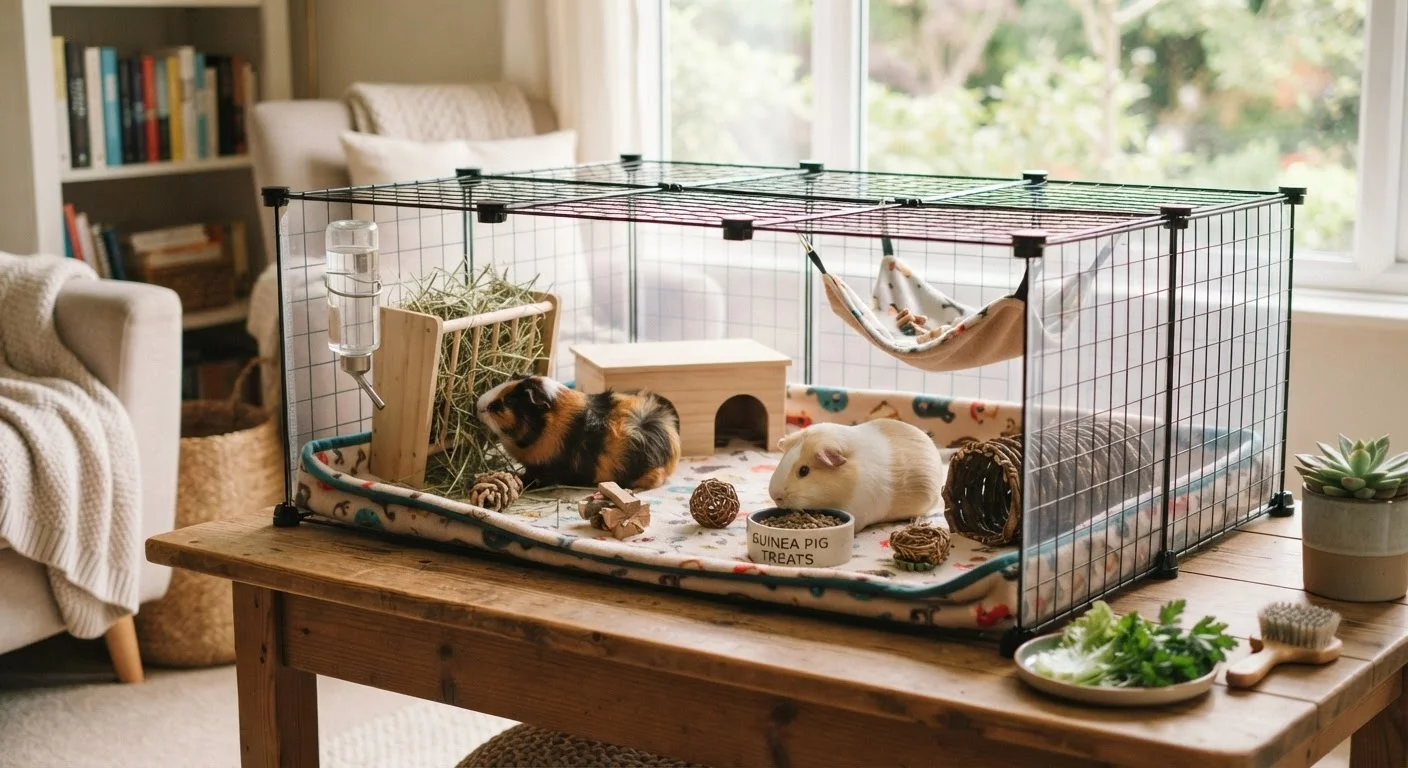
Photo: FaqExplorer.net | Informative Website editorial
Key Takeaways
- The upfront cost of a small pet is often the smallest expense in their lifetime.
- Veterinary care for exotic and small animals can be significantly more expensive than for cats or dogs.
- Species-appropriate housing, diet, and enrichment are ongoing costs that many owners underestimate.
- Some small pets, like parrots or rabbits, carry multi-decade financial commitments.
- Budgeting before adoption can prevent welfare compromises and unexpected financial stress.
Why 'Affordable' Small Pets Often Aren't
The sticker price of a hamster, gerbil, or parakeet can be as low as $10-$30. That number creates a powerful but misleading impression that small pets are inexpensive to keep. In reality, the purchase price is almost always the smallest cost an owner will ever pay. Before the animal comes home, appropriate housing, substrate or bedding, food dishes, hiding spots, and species-specific enrichment items must already be in place - often totaling $100-$400 or more depending on the animal.
As with other categories of ownership, hidden costs accumulate quickly. A thorough preparation checklist can help prospective owners see the full scope of what's needed before day one, reducing both financial surprises and welfare gaps.
The Real Cost of Veterinary Care
This is where many small pet owners are caught off guard. Rabbits, guinea pigs, chinchillas, ferrets, parrots, and reptiles are classified as exotic animals in most veterinary contexts - meaning care requires a specialist, not a general-practice vet. Exotic vet visits routinely cost more than equivalent dog or cat appointments, and diagnostic imaging, dental procedures, or surgery can run into the hundreds to thousands of dollars per incident.
Because small animals are prey species, they instinctively hide signs of illness until symptoms become severe. By the time an owner notices something is wrong, the condition may require intensive intervention. Learning to recognize early warning signs matters enormously - behavioral and physical changes that signal illness are often subtle but identifiable.
Pet insurance for exotic animals exists but covers a narrower set of species and conditions than dog or cat policies. An emergency fund of at least $500-$1,000 is a widely recommended baseline, though actual emergencies often exceed that amount.
$600-$1,200+
Estimated first-year cost for a rabbit
Veterinary, housing, food, and enrichment expenses in the first year of rabbit ownership frequently exceed $600, according to animal welfare and rescue organization estimates.
50+ years
Potential lifespan of some parrot species
Large parrot species such as macaws and cockatoos can live 50 years or more, creating a financial and care commitment that may span an owner's adult lifetime.
Housing, Diet, and Enrichment: The Ongoing Costs
Species-appropriate housing is not a one-time purchase. Bedding or substrate must be replaced regularly - often weekly - and certain materials marketed as natural (such as cedar shavings) are harmful to many small animals. Common misconceptions about small pet care can lead owners to choose cheaper but genuinely dangerous options.
Diet is similarly more complex than it appears. Rabbits and guinea pigs require unlimited fresh hay, leafy greens, and species-specific pellets. Parrots need varied, nutritionally balanced diets that include fresh produce. Reptiles may need live or frozen prey, UVB lighting, and carefully controlled temperature gradients. These are not optional upgrades - they are welfare necessities.
Enrichment - the toys, tunnels, foraging opportunities, and social interaction that maintain psychological health - is another recurring cost. A bored or understimulated animal develops behavioral problems and is more vulnerable to stress-related illness.
Lifespan and the Long-Term Commitment
One of the most overlooked hidden costs is time. A hamster may live 2-3 years; a rabbit, 8-12; a parrot, potentially 50 or more. The financial commitment scales accordingly. Understanding what different lifespans actually mean for owners is essential before choosing a species.
Longer-lived animals also accumulate age-related health expenses. Dental disease in rabbits and guinea pigs, for example, is extremely common and may require repeated veterinary intervention over many years. Boarding or pet-sitting during travel adds another layer of ongoing cost, particularly for species requiring specialized care.
Emergency Funds and Insurance Options
Owners in smaller living spaces should also consider whether their chosen species is genuinely suited to their environment. Some animals adapt well to apartment living while others have noise, space, or exercise requirements that create real compatibility challenges.
The content on this site is provided for informational purposes only and should not be considered a substitute for professional advice. While we strive to provide accurate and up-to-date information, we make no guarantees regarding its completeness or accuracy. Always consult a qualified professional for advice specific to your circumstances before making any decisions.