
Rabbit Care From Day One: Everything New Owners Need to Know

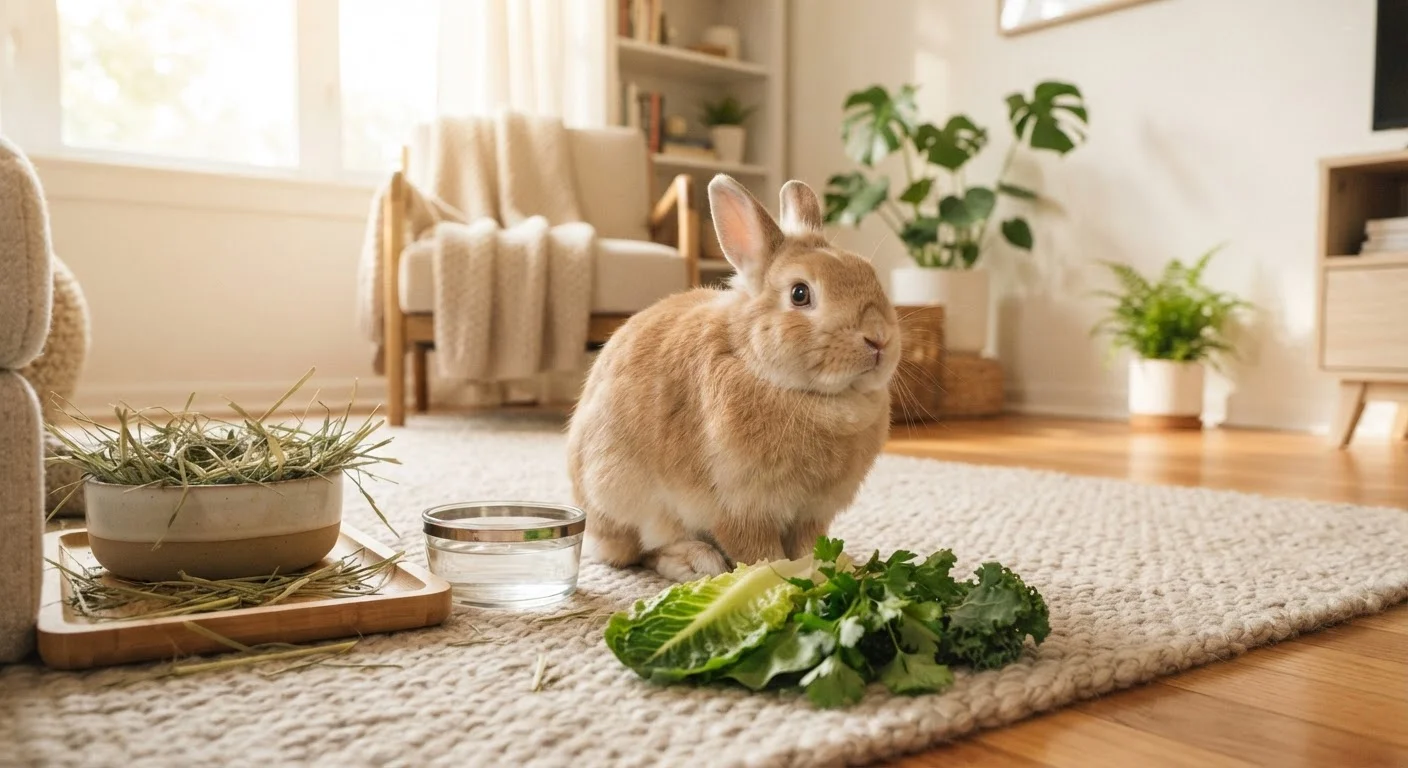
Photo: FaqExplorer.net | Informative Website editorial
Key Takeaways
- Rabbits are complex, long-lived pets requiring daily care - not low-maintenance starter animals.
- Unlimited timothy hay must form the foundation of every adult rabbit's diet.
- Rabbits need a minimum of three to four hours of supervised out-of-enclosure exercise daily.
- Spaying or neutering significantly improves health outcomes and behavioral stability.
- Only vets experienced with exotic or small mammals should provide routine rabbit care.
- Early observation of normal behavior makes it easier to detect illness quickly.
Understanding What Rabbits Actually Need
Rabbits are often marketed as beginner pets, but the reality is more nuanced. They are intelligent, social mammals with specific physiological needs that, when unmet, lead to serious health and behavioral problems. Before acquiring a rabbit, it's worth understanding what genuine commitment looks like - and how it differs from caring for other common pets.
Unlike dogs or cats, rabbits communicate subtly and mask illness until they are significantly compromised. They require a specialized diet, daily interaction, adequate space, and veterinary care from a practitioner experienced with exotic mammals. If you're weighing your options, our comparison of rabbits versus guinea pigs can help clarify which small pet actually fits your household and schedule.
GI Stasis
A dangerous slowdown or complete halt of the rabbit's digestive system, often triggered by inadequate fiber, stress, or pain. It can become life-threatening within hours if untreated.
Crepuscular
Most active during twilight hours - dawn and dusk - rather than during the middle of the day or night. Rabbits follow this natural activity pattern.
Hay-based diet
A feeding approach where grass hay (such as timothy or orchard grass) makes up the majority of a rabbit's daily food intake, supporting dental and digestive health.
Sore hocks
A painful condition affecting a rabbit's hind feet, often caused by prolonged contact with wire flooring or damp, unsanitary bedding.
Exotic mammal vet
A veterinarian with specialized training in species beyond the typical dog and cat, including rabbits, guinea pigs, and birds. Rabbit care often requires this level of expertise.
Bonded pair
Two rabbits that have been carefully introduced and have formed a stable social relationship, typically living and resting together comfortably.
Setting Up the Right Living Space
The enclosure is the foundation of good rabbit care. Contrary to common depictions, small hutches are inadequate for full-time housing. Rabbits need space to run, stretch fully upright, and engage in natural behaviors. A recommended minimum is a pen or enclosure that gives at least 12 square feet of living space, with access to a larger exercise area.
Safe flooring matters: wire-bottomed cages are associated with sore hocks, a painful foot condition. Solid flooring with a thick layer of appropriate bedding - paper-based or fleece - is preferable. Temperature is also important; rabbits are sensitive to heat above approximately 80°F and should never be housed in direct sun or drafty areas.
Before your rabbit arrives, use our preparation checklist for new small pet owners to confirm your habitat and home setup are fully ready.
Rabbit-Proof Before Day One
Feeding Your Rabbit: Diet Basics
Diet is one of the most critical - and most commonly misunderstood - aspects of rabbit care. The cornerstone of a healthy adult rabbit's diet is unlimited timothy hay. Hay keeps the gastrointestinal tract moving, prevents dangerous conditions like GI stasis, and provides the continuous wear that rabbit teeth require to stay healthy.
Fresh leafy greens should be offered daily - roughly one to two packed cups per five pounds of body weight is a commonly cited guideline, though individual needs vary. Pellets, if offered, should be plain, grass-hay-based, and limited in quantity. Fruit and starchy treats should be occasional and minimal. Foods high in sugar or simple carbohydrates can disrupt gut flora and contribute to obesity.
Avoid These Common Dietary Mistakes
Behavior, Socialization, and Enrichment
Rabbits are crepuscular, meaning they are most active at dawn and dusk. Understanding this rhythm helps owners schedule interaction and exercise appropriately. Daily out-of-enclosure time - at minimum three to four hours - is important for physical health and mental well-being. Rabbit-proofing the exercise area by covering electrical cords and blocking hazardous spaces is essential before allowing free roam.
Building trust takes time and consistency. Rabbits generally do not enjoy being picked up, and forcing handling can cause lasting stress or injury. Instead, let the rabbit approach on its own terms, and use floor-level interaction as the primary bonding method. Learning to read rabbit body language accelerates the bonding process considerably - our detailed resource on how rabbits communicate through body language and sound explains the key signals to recognize.
Enrichment - tunnels, cardboard boxes, willow balls, and foraging opportunities - supports cognitive health. For structured ideas, see our guide to building enrichment into your small pet's daily routine.
Veterinary Care and Health Monitoring
Every rabbit should have an initial wellness exam shortly after acquisition, followed by at least annual checkups. Finding the right veterinarian is non-negotiable: rabbits are considered exotic animals, and not every general practice vet has the training to identify common rabbit conditions such as dental disease, GI stasis, or uterine cancer in unspayed females. Consult our article on exotic vets versus general vets for small pets to understand what distinguishes a practitioner equipped to handle rabbit care.
Spaying females and neutering males is strongly recommended by most rabbit-savvy veterinarians. Unspayed females have a high lifetime risk of uterine cancer, while intact males may display territorial and aggressive behavior. Vaccination needs vary by region - a vet familiar with local disease risks can advise appropriately.
Because rabbits instinctively hide illness, active daily observation is essential. Monitor food and water intake, fecal output, and behavioral patterns every day. A rabbit that stops eating or producing fecal pellets for more than a few hours requires same-day veterinary attention - GI stasis can become life-threatening rapidly.
This article is for general informational and educational purposes only. It is not a substitute for professional veterinary advice. Always consult a qualified veterinarian for guidance specific to your rabbit's health and individual circumstances.
Frequently Asked Questions
The content on this site is provided for informational purposes only and should not be considered a substitute for professional advice. While we strive to provide accurate and up-to-date information, we make no guarantees regarding its completeness or accuracy. Always consult a qualified professional for advice specific to your circumstances before making any decisions.