
Unlocked Phones vs. Carrier-Locked Phones: What the Distinction Means for You

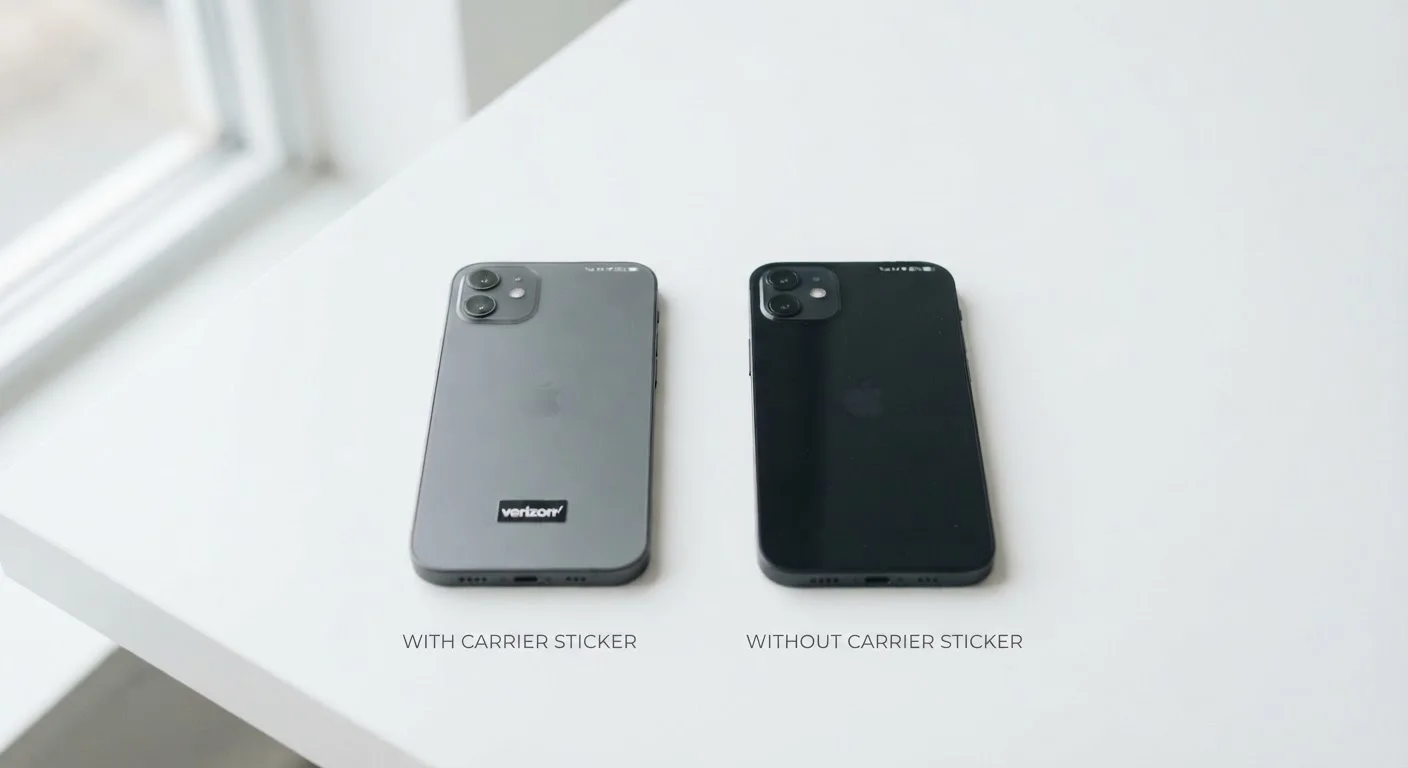
Photo: FaqExplorer.net | Informative Website editorial
Key Takeaways
- A carrier-locked phone is restricted to one carrier's network until officially unlocked.
- Unlocked phones work with any compatible carrier's SIM card immediately.
- Carrier-locked phones often cost less upfront but may limit your flexibility.
- Unlocking eligibility typically depends on completing a payment plan or contract term.
- Network band compatibility still matters even after a phone is unlocked.
- International travelers generally benefit more from unlocked devices.
What 'Locked' and 'Unlocked' Actually Mean
A carrier-locked phone contains software that restricts it to one carrier's network. Insert a SIM from a competing carrier and the phone typically won't connect to that network - or will display an error. Locking is enforced at the software level by the carrier, not by the phone's hardware manufacturer.
An unlocked phone, by contrast, carries no such restriction. It accepts any compatible SIM card and connects to whichever carrier's network that SIM belongs to. Unlocked devices are either sold that way from the manufacturer, purchased through third-party retailers, or have had their carrier restriction removed after meeting the carrier's unlock criteria.
The practical implication is straightforward: a locked phone ties your hardware to a business relationship. That relationship may be perfectly fine for your situation - or it may quietly limit options you didn't know you had. Understanding this distinction before purchase is far easier than discovering it after.
Manufacturer Unlocked vs. Carrier Unlocked
How Carrier Locking Works - and When It Ends
Carriers lock phones primarily to protect subsidized pricing arrangements. When a carrier offers a device at a reduced upfront cost through an installment plan, the lock ensures the buyer remains on their network long enough to recoup that subsidy through monthly service revenue.
Federal Communications Commission (FCC) guidelines and carrier-specific policies govern when a phone must be unlocked. Most major U.S. carriers are required to unlock devices once certain conditions are met - typically, the device is fully paid off, the account is in good standing, and a minimum active-service period has passed. Prepaid devices usually have a separate timeline, often requiring 12 months of active service before unlock eligibility.
If you're unsure whether a used phone is locked, inserting a SIM from a different carrier is the fastest test. Carriers also provide IMEI-based lookup tools on their websites that confirm a device's lock status before you complete a purchase.
| Criterion | Unlocked Phones | Carrier-Locked Phones |
|---|---|---|
| Carrier flexibility | Any compatible carrier | Restricted to one carrier until unlocked |
| Upfront cost | Generally higher | Often lower via installment plans |
| International SIM use | Swap SIMs freely abroad | Blocked until unlock criteria met |
| Band compatibility | Typically broader range | Optimized for one carrier's bands |
| Carrier-specific features | May vary by carrier | Fully integrated out of the box |
| Resale value | Generally higher | Lower if still locked |
| Unlock eligibility | Already unlocked | Requires meeting carrier conditions |
Network Compatibility: The Factor That Trips People Up
Even a fully unlocked phone won't perform optimally on every carrier if its radio bands - the specific frequencies used to transmit cellular signals - don't align with that carrier's network. U.S. carriers operate on different combinations of bands for 4G LTE and 5G service.
A phone sold exclusively through one carrier may support that carrier's band configuration fully, but omit bands another carrier relies on for coverage or speed. This is a hardware limitation that no software unlock can fix. Before switching carriers with an unlocked phone, it's worth checking whether the device supports the destination carrier's key bands. Our guide to 5G and 4G LTE differences covers how these network technologies interact with device hardware in more depth.
Phones purchased directly from manufacturers - rather than through a carrier - typically support a broader range of bands by design, making them more versatile across networks.
Cost, Convenience, and the Trade-Offs Worth Weighing
Carrier-locked phones are frequently available at lower out-of-pocket costs because carriers structure installment plans to spread the full device price over 24 to 36 months of service. That lower sticker price can be genuinely useful, but the total cost over the contract term often matches or exceeds what an unlocked device would cost purchased outright.
Unlocked phones typically require you to pay closer to the full device price upfront - or finance through a third party - but leave you free to shop carriers on your own terms. That flexibility has tangible value if a competing carrier offers significantly better pricing or coverage in your area.
Before activating any new phone, it's worth running through a compatibility checklist. Our pre-activation checklist covers SIM compatibility, software updates, and settings that are easy to overlook. It's also worth understanding carrier-specific features - like Wi-Fi Calling and VoLTE - that may behave differently on unlocked devices; see our explainer on carrier features for details.
12 months
Typical prepaid unlock wait period
Most major U.S. carriers require prepaid devices to be active for approximately 12 months before they qualify for unlocking.
24-36 months
Standard carrier installment plan length
Carrier device financing in the U.S. commonly spans two to three years, during which the phone typically remains locked to that carrier.
The content on this site is provided for informational purposes only and should not be considered a substitute for professional advice. While we strive to provide accurate and up-to-date information, we make no guarantees regarding its completeness or accuracy. Always consult a qualified professional for advice specific to your circumstances before making any decisions.