
Wi-Fi Calling, VoLTE, and Carrier Features: What They Are and When They Matter

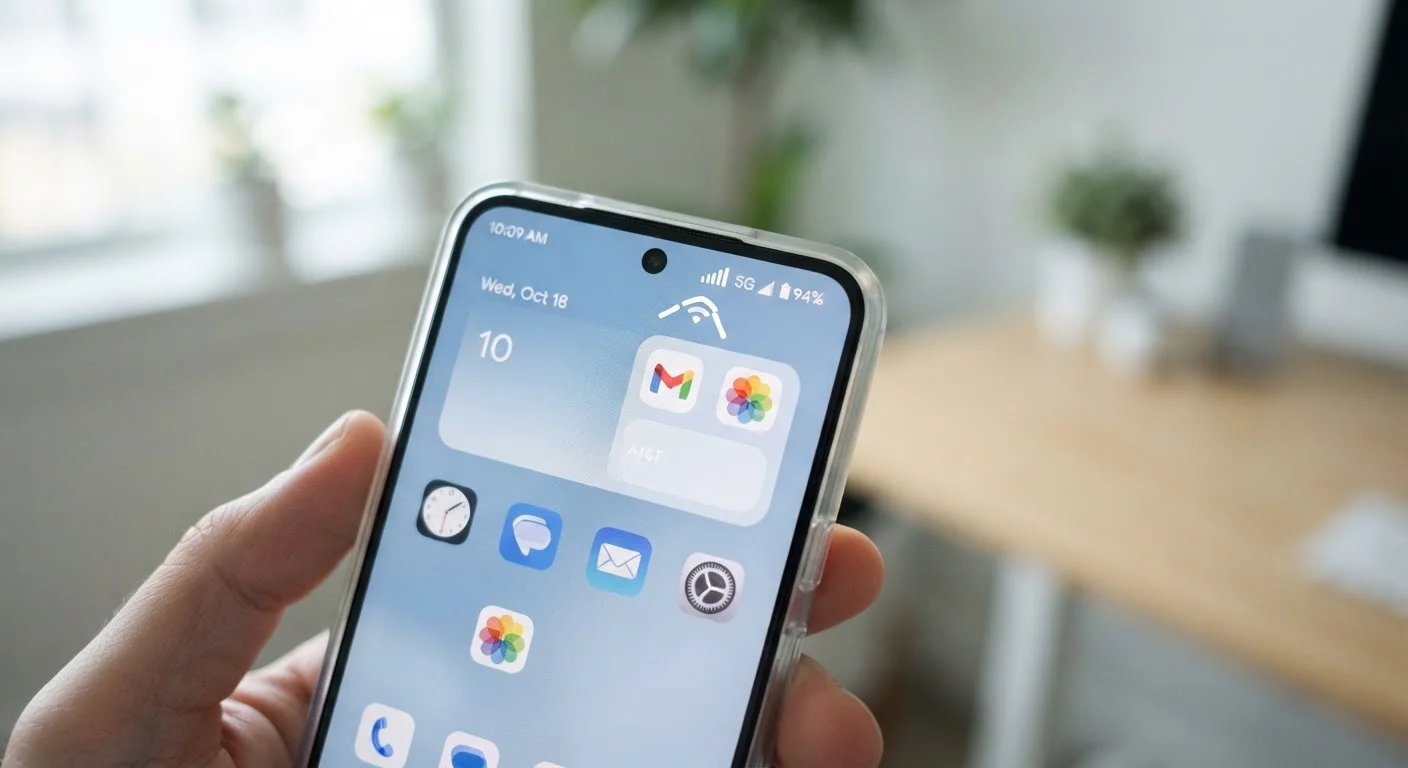
Photo: FaqExplorer.net | Informative Website editorial
What These Terms Actually Mean
If you've ever dug into your phone's settings or compared carrier plans, you've likely encountered abbreviations like VoLTE, Wi-Fi Calling, and HD Voice without a clear explanation of what they do. These aren't marketing buzzwords - they're functional features that shape how your calls connect, how clear your voice sounds, and whether you can reach someone at all in a weak-signal area.
Wi-Fi Calling
A feature that routes voice calls and SMS messages over a Wi-Fi internet connection instead of a cellular tower. Useful in areas with poor cellular coverage but available Wi-Fi.
VoLTE
Voice over LTE - a technology that carries phone calls over a 4G LTE data connection rather than an older 2G or 3G voice channel. Enables faster call setup and HD Voice quality.
HD Voice
A voice call quality standard that uses a wider audio frequency range than traditional calls, making voices sound clearer and more natural. Requires support from both phones and both carriers involved.
RCS (Rich Communication Services)
A messaging protocol that replaces SMS with features like read receipts, typing indicators, and high-resolution media sharing. Often called 'Advanced Messaging' by carriers.
MVNO
Mobile Virtual Network Operator - a carrier that provides wireless service by leasing capacity from a major network rather than operating its own towers. Examples include budget and regional carriers.
VoNR
Voice over New Radio - the 5G equivalent of VoLTE, enabling native voice calls over a 5G standalone network. Still limited in availability as 5G standalone infrastructure expands.
For a broader look at how phone specs connect to real-world performance, see our guide to decoding smartphone specs.
Wi-Fi Calling: Making Calls Without Cellular Signal
Wi-Fi Calling routes voice calls and text messages over a Wi-Fi network instead of a cellular tower. When your phone detects a weak or absent cellular signal but has a Wi-Fi connection, it can seamlessly shift call traffic to the internet, maintaining the call without dropping it.
This feature is particularly useful in buildings with thick walls, rural areas, or basements where cellular signals struggle to penetrate. It requires both your phone and your carrier to support the feature - most major U.S. carriers do, and it's usually enabled through your phone's settings menu rather than a separate app.
One practical note: emergency calls made over Wi-Fi may not automatically transmit your location to dispatchers the same way a cellular call does, so it's worth understanding this limitation.
| Wi-Fi Calling requirement | Supported by both phone and carrier |
| VoLTE benefit | Faster call setup, HD voice, simultaneous data and voice |
| 3G network retirement | Major U.S. carriers completed 3G shutdowns between 2022 and 2023 |
| RCS availability | Supported by major U.S. carriers; requires both sides to have compatible devices and carriers |
| Emergency call note | Wi-Fi calls may not relay location data to 911 dispatchers automatically (FCC consumer guidance) |
| Where to enable Wi-Fi Calling | Phone settings > Phone (iOS) or Connections/Network & Internet (Android) |
VoLTE: Voice Calls Over 4G LTE
VoLTE stands for Voice over LTE. Older cellular networks handled voice calls on a separate 2G or 3G channel, even if you had 4G data service. VoLTE changed that by carrying voice traffic over the same 4G LTE data connection used for everything else.
The practical result is faster call setup (calls connect more quickly), improved voice quality through HD Voice - which uses a wider audio range so voices sound more natural - and the ability to use data and voice simultaneously without switching networks. Carriers that have retired their 3G networks now require VoLTE-compatible devices to make calls at all on those networks.
If you're planning to activate a new or older phone, confirming VoLTE compatibility is increasingly important. Our pre-activation checklist covers this alongside other compatibility checks worth making before you switch on a new device.
Other Carrier Features Worth Knowing
Beyond Wi-Fi Calling and VoLTE, carriers offer several additional features that appear in settings or plan descriptions:
- HD Voice / Enhanced Voice Services (EVS): An audio codec standard that delivers wider frequency audio than traditional calls. Requires both parties to be on supported networks and devices.
- Wi-Fi Calling Handoff: Some carriers support seamless mid-call transitions between Wi-Fi and cellular. Not all implementations are equally smooth - a call started on Wi-Fi may drop briefly when moving to cellular on some networks.
- VoNR (Voice over New Radio): The 5G equivalent of VoLTE. As 5G standalone networks expand, VoNR enables voice calls natively over 5G rather than falling back to LTE. Its real-world availability is still limited as of this writing.
- Advanced Messaging / RCS: Rich Communication Services is the messaging standard carriers have adopted to replace SMS. It enables read receipts, typing indicators, and high-quality media sharing - but requires carrier and device support on both ends.
To understand how 5G fits into all of this, see what 5G vs. 4G LTE actually means for everyday users.
When These Features Actually Matter to You
Most of the time, your phone handles these features automatically. But there are three situations where knowing about them changes what you do:
- Poor indoor reception: Enabling Wi-Fi Calling can be the difference between a working phone and a useless one inside a building with thick concrete walls.
- Buying an older or unlocked phone: Older devices may not support VoLTE on your carrier's current network, potentially making calls impossible after a 3G shutdown. Understanding what carrier locking affects is part of making a confident buying decision here.
- International travel or MVNO plans: Smaller carriers and MVNOs (budget carriers that lease network capacity) don't always enable all carrier features, even on compatible phones. Checking explicitly before you travel or switch plans avoids unpleasant surprises.
The content on this site is provided for informational purposes only and should not be considered a substitute for professional advice. While we strive to provide accurate and up-to-date information, we make no guarantees regarding its completeness or accuracy. Always consult a qualified professional for advice specific to your circumstances before making any decisions.