
What Your Car's Warning Lights Are Actually Telling You

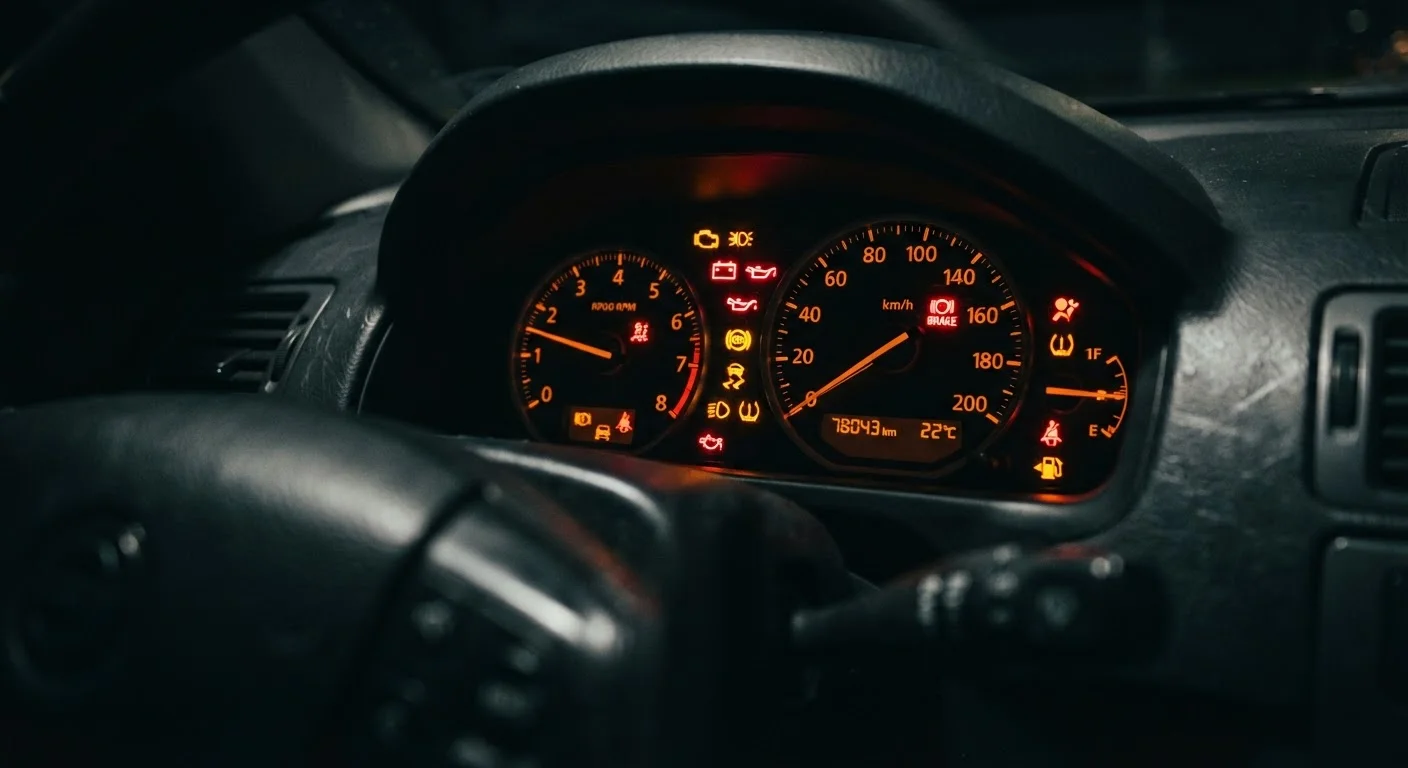
Photo: FaqExplorer.net | Informative Website editorial
How the Warning Light System Works
Modern vehicles are equipped with an OBD system that continuously monitors engine performance, emissions, fluid levels, and safety systems. When a sensor detects a reading outside its expected range, it triggers a warning light on the instrument cluster and logs a diagnostic trouble code (DTC) in the vehicle's computer. A mechanic can retrieve these codes with a scan tool to pinpoint the fault.
Warning lights are color-coded by urgency. Red means stop driving as soon as it's safe to do so. Yellow or amber signals that attention is needed soon but typically not immediately. Green or blue lights are informational, confirming that a system is active.
Understanding this framework helps you make a rational judgment call instead of either panicking or ignoring something serious. For drivers managing older vehicles, keeping a high-mileage car running well requires paying especially close attention to these signals, since aging components fail more frequently.
The Lights That Demand Immediate Action
Certain warning lights indicate conditions that can cause engine damage, brake failure, or loss of control within minutes of continued driving.
- Oil Pressure (red oil can icon): Low oil pressure means internal engine components may be running without adequate lubrication. Pull over safely and shut off the engine immediately. Do not restart until the cause is identified - driving even a short distance can cause irreversible engine damage.
- Engine Temperature (red thermometer in liquid): Your engine is overheating. Pull over, turn off the engine, and allow it to cool before opening the hood. Coolant loss, a failed water pump, or a blown head gasket are common causes.
- Battery / Charging System (red battery icon): The electrical system isn't charging properly. You may have limited driving range before the vehicle stalls entirely. Minimize electrical loads and get to a mechanic promptly.
- Brake System (red BRAKE or exclamation mark): If the parking brake is disengaged and this light is on, brake fluid may be low or there's a hydraulic system fault. Do not ignore reduced braking ability.
When in Doubt, Pull Over
Amber Lights: Attention Required, Not Emergency
Yellow or amber warning lights typically allow you to continue driving to a shop, but they shouldn't be postponed for weeks.
- Check Engine (amber engine outline): This is the most misunderstood light on the dashboard. It can represent anything from a loose gas cap to a misfiring cylinder. If it's flashing, that signals an active engine misfire that can damage the catalytic converter - reduce speed and seek service that day. A steady light can usually wait a few days, but should be diagnosed promptly.
- Tire Pressure Monitoring System / TPMS (amber tire with exclamation): One or more tires are significantly under-inflated. Check and correct pressure as soon as possible. Under-inflated tires reduce fuel economy, handling, and tire lifespan.
- Traction Control / Stability Control (amber car with squiggly lines): If this illuminates while driving on dry pavement, the system may have a fault. On wet or icy roads, a brief flash is normal system operation.
- Transmission Temperature: Transmission fluid is overheating, often from towing or stop-and-go traffic. Pull over and allow it to cool.
When you do bring the vehicle in, signs a mechanic is being straight with you can help you evaluate whether the recommended repair genuinely matches the warning code retrieved.
Common Misconceptions and Preventable Triggers
Many warning lights are triggered by deferred maintenance rather than sudden mechanical failure. Skipping oil changes leads to sludge buildup that eventually triggers oil pressure warnings. Ignoring coolant flushes degrades the antifreeze's ability to prevent overheating. These are largely avoidable outcomes. Mistakes that shorten a car's lifespan faster than people realize often trace back to exactly this kind of deferred maintenance pattern.
A check engine light that reappears immediately after being cleared - without any repair being made - means the underlying fault still exists. Clearing codes without fixing the cause only masks the problem temporarily and can make diagnosis harder later.
If you're evaluating a used car and the seller claims the warning lights were just cleared or there are none, that warrants scrutiny. Understanding how to decode a vehicle history report can reveal whether recurring issues have been reported previously.
OBD-II
Onboard Diagnostics, second generation - a standardized system built into all U.S. vehicles since 1996 that monitors engine and emissions performance and stores fault codes when a problem is detected.
Diagnostic Trouble Code (DTC)
A standardized alphanumeric code stored by the vehicle's computer when a sensor reading falls outside acceptable parameters. A mechanic retrieves these codes with a scan tool to guide diagnosis.
Catalytic Converter
An emissions control device in the exhaust system that converts harmful combustion byproducts into less harmful gases. Engine misfires can overheat and permanently damage it.
TPMS
Tire Pressure Monitoring System - a federal safety requirement on U.S. passenger vehicles since 2008 that alerts the driver when tire pressure drops significantly below the recommended level.
Coolant / Antifreeze
A liquid circulated through the engine to regulate temperature. It prevents overheating in summer and freezing in winter. Low coolant level is a common cause of engine temperature warnings.
The content on this site is provided for informational purposes only and should not be considered a substitute for professional advice. While we strive to provide accurate and up-to-date information, we make no guarantees regarding its completeness or accuracy. Always consult a qualified professional for advice specific to your circumstances before making any decisions.