
Indoor Dog vs. Outdoor Dog: Why the Distinction Is More Complicated Than It Sounds

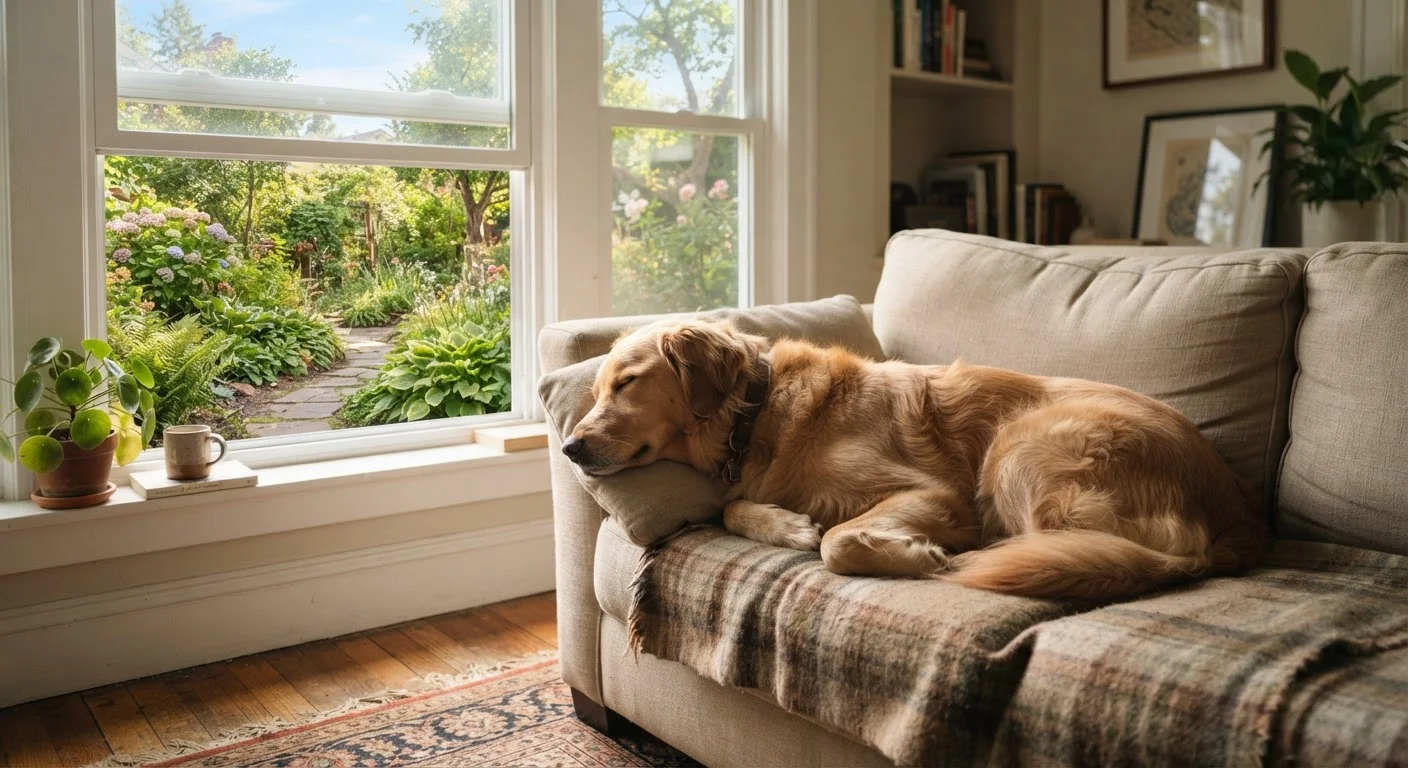
Photo: FaqExplorer.net | Informative Website editorial
Key Takeaways
- Dogs are social animals; isolation outdoors without sufficient human contact can cause behavioral and emotional harm.
- Indoor living generally reduces exposure to parasites, extreme weather, and environmental hazards.
- Breed, age, health status, and individual temperament all shape what living arrangement serves a dog best.
- Most veterinary and animal behavior experts favor a mixed model: primarily indoor with regular outdoor time.
- Neither arrangement is inherently superior - consistent care, socialization, and exercise matter more than location.
Stronger human-animal bond through daily contact
Dogs evolved alongside humans and are deeply social. Living indoors keeps them integrated into family life, which supports emotional wellbeing and reduces anxiety-driven behaviors.
Reduced exposure to parasites and environmental hazards
Indoor dogs have lower contact with fleas, ticks, mosquitoes, and wildlife that can carry disease, as well as toxic plants, standing water, and temperature extremes.
Easier health monitoring for owners
Close daily proximity means owners are more likely to notice changes in eating, movement, or behavior that may signal an emerging health issue before it becomes serious.
Protection from extreme weather conditions
Heatstroke and hypothermia are genuine risks for dogs left outdoors in severe weather. Indoor dogs are largely shielded from these dangers without requiring specialized shelter infrastructure.
Better socialization and behavioral development
Dogs who live indoors with their families are routinely exposed to visitors, household sounds, and varied routines - all of which contribute to a calmer, more adaptable temperament.
Insufficient exercise if outdoor access is limited
Without structured daily activity, indoor dogs - especially high-energy breeds - are prone to boredom, destructive behavior, and weight gain.
Reduced natural stimulation and sensory variety
Outdoor environments offer a rich array of smells, sights, and sounds that indoor settings can't fully replicate, and this sensory input matters for mental engagement.
Potential for allergen accumulation in the home
Dog dander, fur, and tracked-in debris can affect air quality and trigger allergic responses in sensitive household members, requiring more intensive cleaning routines.
Housetraining demands increase with indoor living
Indoor dogs require consistent, patient housetraining - and without it, behavior problems can develop that are harder to correct later.
Why the Indoor-Outdoor Label Oversimplifies Things
When people say a dog is an "outdoor dog," they might mean anything from a working livestock guardian who has a heated shelter and daily human contact, to a companion dog left alone in a yard with minimal interaction. These are dramatically different situations for the animal involved. The same ambiguity applies to "indoor dog" - a Labrador confined to a small apartment without adequate exercise faces a different set of challenges than one living in a spacious home with multiple daily walks.
What actually matters for dog welfare isn't whether a dog sleeps inside or outside - it's whether their physical, social, and behavioral needs are being met. That nuance gets lost when the conversation stays at the level of a simple binary label. As you work through your own situation, it helps to think in terms of specific needs rather than categories.
For a useful parallel from a different species, see how the same complexity plays out in the indoor vs. outdoor cat debate.
The Case for Keeping Dogs Primarily Indoors
Veterinary and behavioral guidance consistently supports indoor living as the baseline for companion dogs. Here's why.
Stronger human-animal bond through daily contact
Dogs evolved alongside humans and are deeply social. Living indoors keeps them integrated into family life, which supports emotional wellbeing and reduces anxiety-driven behaviors.
Reduced exposure to parasites and environmental hazards
Indoor dogs have lower contact with fleas, ticks, mosquitoes, and wildlife that can carry disease, as well as toxic plants, standing water, and temperature extremes.
Easier health monitoring for owners
Close daily proximity means owners are more likely to notice changes in eating, movement, or behavior that may signal an emerging health issue before it becomes serious.
Protection from extreme weather conditions
Heatstroke and hypothermia are genuine risks for dogs left outdoors in severe weather. Indoor dogs are largely shielded from these dangers without requiring specialized shelter infrastructure.
Better socialization and behavioral development
Dogs who live indoors with their families are routinely exposed to visitors, household sounds, and varied routines - all of which contribute to a calmer, more adaptable temperament.
Indoor dogs also tend to receive more consistent health monitoring. Owners who interact daily with their dog are more likely to notice early signs of illness, weight changes, or behavioral shifts. This connects directly to how conditions like joint disease or weight gain are identified - something explored in our guide to dog weight and body condition scoring.
Real Limitations of Full-Time Indoor Living
Indoor life isn't without its own trade-offs, particularly when outdoor access or enrichment is limited.
Insufficient exercise if outdoor access is limited
Without structured daily activity, indoor dogs - especially high-energy breeds - are prone to boredom, destructive behavior, and weight gain.
Reduced natural stimulation and sensory variety
Outdoor environments offer a rich array of smells, sights, and sounds that indoor settings can't fully replicate, and this sensory input matters for mental engagement.
Potential for allergen accumulation in the home
Dog dander, fur, and tracked-in debris can affect air quality and trigger allergic responses in sensitive household members, requiring more intensive cleaning routines.
Housetraining demands increase with indoor living
Indoor dogs require consistent, patient housetraining - and without it, behavior problems can develop that are harder to correct later.
It's worth noting that many of the downsides of indoor living stem not from the environment itself, but from insufficient exercise, stimulation, or training. Crate training done thoughtfully, structured walks, and mental enrichment activities can address most of these concerns without moving a dog outdoors permanently.
What Changes With Age, Breed, and Health Status
A working breed like a Siberian Husky or an Australian Shepherd has exercise and stimulation requirements that differ substantially from a Basset Hound or a Shih Tzu. Breed-specific tendencies - including cold or heat tolerance, prey drive, and energy level - should inform any housing decision. A breed developed to work outdoors in cold climates may genuinely thrive with more outdoor exposure than a brachycephalic (short-nosed) breed that is sensitive to temperature extremes.
Age adds another layer. Puppies and senior dogs are more vulnerable to temperature extremes and health complications. Senior dogs in particular may need closer monitoring, easier access to warmth, and more frequent vet check-ins - all easier to provide when a dog lives indoors.
Working and Livestock Guardian Dogs Are Different
Dogs with skin conditions, allergies, or parasite sensitivities may also need careful management of outdoor exposure. If your dog shows signs of itching or skin irritation, reviewing what's behind the scratching with your vet is a useful first step before assuming outdoor access is the cause.
A Practical Framework for Most Households
Rather than choosing between "indoor" or "outdoor," most dogs are best served by a hybrid approach: sleeping and resting inside, with regular, intentional time outdoors for exercise, socialization, and mental stimulation. The proportion varies depending on the dog.
~67%
U.S. households owning a pet
According to the American Pet Products Association, roughly two-thirds of American households include at least one pet, with dogs being the most common.
30+ min
Daily exercise most adult dogs need
Many veterinary guidelines suggest most adult dogs need at least 30 minutes to two hours of physical activity per day, depending on breed and age.
What this looks like in practice might include multiple daily walks, off-leash time in a securely fenced yard, and structured activities that address the dog's specific breed traits. Dogs displaying unusual outdoor behaviors - like excessive grass-eating or tail-chasing - may be signaling boredom or anxiety worth investigating. Our article on puzzling dog behaviors breaks down what those habits typically mean.
Whatever arrangement you settle on, the most important factor is consistent, attentive care. A dog who lives primarily outside with rich human interaction and appropriate shelter may fare better than one who lives indoors but is left alone for long stretches without sufficient exercise or engagement.
This article is intended as general educational information for dog owners and is not a substitute for professional veterinary advice. Always consult a licensed veterinarian about decisions specific to your dog's health and living situation.
The content on this site is provided for informational purposes only and should not be considered a substitute for professional advice. While we strive to provide accurate and up-to-date information, we make no guarantees regarding its completeness or accuracy. Always consult a qualified professional for advice specific to your circumstances before making any decisions.