
Small Pets That Are Well-Suited to Apartment Living

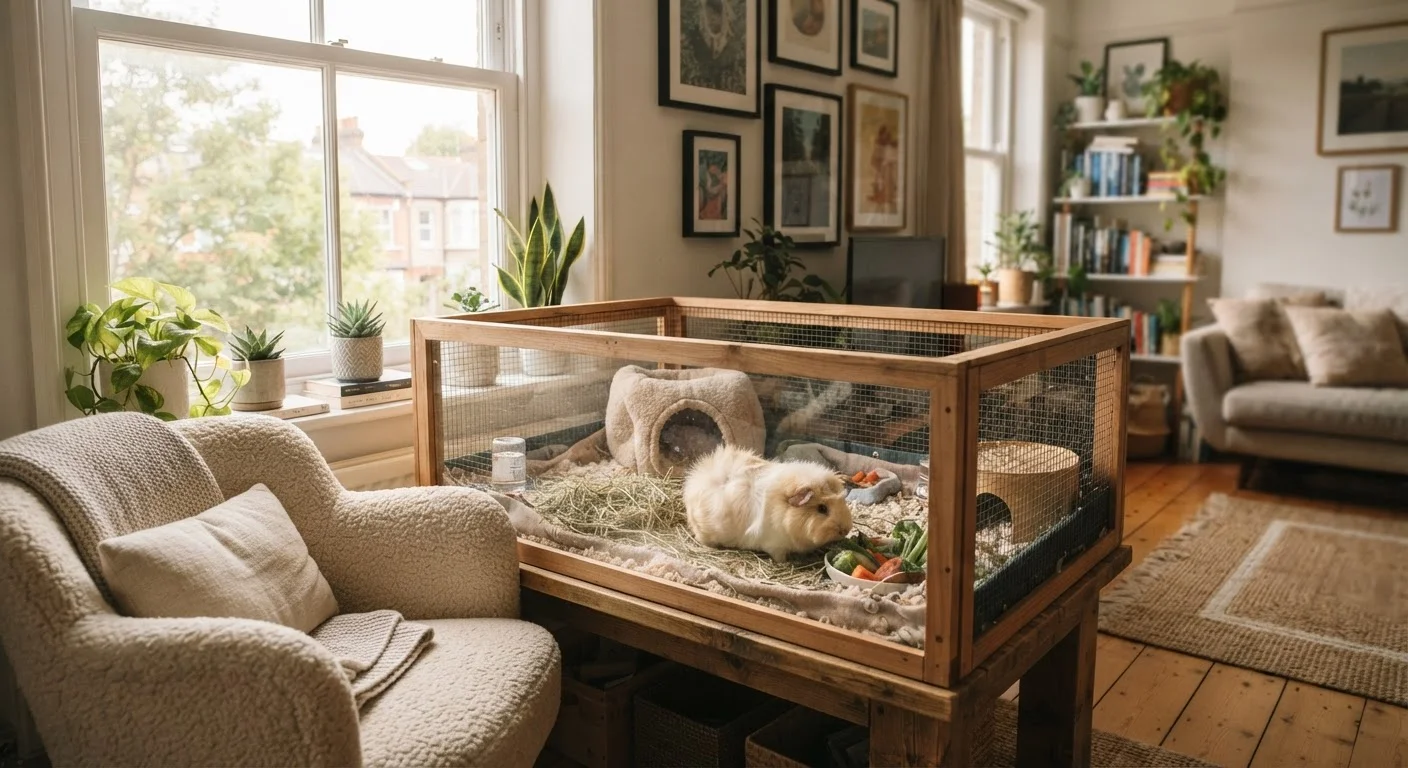
Photo: FaqExplorer.net | Informative Website editorial
Key Takeaways
- Not all small pets are equally suited to apartments - noise, odor, and space needs vary significantly.
- Some animals, like guinea pigs and budgies, adapt well to smaller spaces with proper enrichment.
- Lease agreements often specify which pets are permitted, so always verify before bringing an animal home.
- Low-maintenance doesn't mean no-maintenance - every small pet requires consistent, species-appropriate care.
- Long-term commitment, including lifespan, should factor into any apartment pet decision.
Why Apartment Living Requires Extra Thought
Choosing a pet for an apartment isn't just about physical size. A tiny animal can still be loud, produce significant odor, or require far more space than its body suggests. At the same time, many small pets are genuinely well-matched to apartment life - as long as their specific needs are understood and met from the start.
Before adopting any animal, check your lease. Many buildings that allow "small pets" have specific restrictions on species, and some exclude all animals entirely. Once you've confirmed what's permitted, you can focus on finding a species that truly fits your daily schedule, noise sensitivity, and available floor space.
It's also worth thinking honestly about the long-term picture. Lifespans vary enormously - from under three years for some rodents to decades for certain birds - and your living situation may change significantly over that time. And don't overlook the financial side: the real cost of small pet ownership extends well beyond the initial purchase.
Guinea Pigs
Guinea pigs are sociable, vocal but not disruptively loud, and generally gentle in temperament - qualities that make them a strong fit for apartment life. They do best in pairs or small groups, as they are herd animals that need companionship. A sufficiently spacious enclosure (at least 7-8 square feet for two animals, per small animal care guidelines) can fit comfortably in most apartments without dominating the room.
Their sounds - soft wheeks and purrs - are unlikely to disturb neighbors through walls. Odor management requires consistent weekly cage cleaning and appropriate absorbent bedding. Guinea pigs do not require outdoor exercise if they receive supervised floor time indoors, making them practical for homes without private outdoor access.
Guinea pigs are herd animals - keeping at least a pair supports their wellbeing and helps them thrive indoors.
Budgerigars (Budgies)
Budgerigars - commonly called budgies or parakeets - are among the most apartment-adaptable pet birds. They are small, relatively quiet compared to larger parrot species, and can live contentedly in a well-outfitted cage without needing an entire room dedicated to their exercise. Their vocalizations are chirpy and gentle rather than the loud screaming associated with macaws or cockatoos.
Budgies benefit greatly from daily out-of-cage time in a secure, bird-safe room. Apartment owners should be aware that many common household products - non-stick cookware fumes, aerosol sprays, scented candles - can be toxic to birds. If you're setting up a habitat, a thorough walkthrough of bird-safe environments covers the key hazards to address.
Budgies are far quieter than larger parrot species, making them one of the most neighbor-friendly pet birds available.
Hamsters
Hamsters are self-contained, require relatively modest enclosures, and are naturally quiet - making them an appealing option for apartment dwellers, particularly those with limited time for hands-on interaction. They are nocturnal, which suits owners who work during the day but are home in the evenings.
The main apartment consideration with hamsters is wheel noise. Solid-surface, ball-bearing wheels are significantly quieter than wire wheels and worth prioritizing if your bedroom and the hamster's enclosure share a wall. Hamsters are also solitary animals - most species should be housed alone to prevent serious injury from fighting.
A quality solid-surface wheel dramatically reduces overnight noise - a key upgrade for any apartment hamster setup.
Leopard Geckos
For apartment residents open to reptiles, leopard geckos offer a genuinely low-disruption option. They are silent, odorless when their enclosure is properly maintained, and their habitat - a 20-gallon tank for a single adult - fits easily on a shelf or dresser. They do not require UVB lighting in the way many other reptiles do, though a proper temperature gradient and appropriate hides are essential for their health.
Leopard geckos are crepuscular (most active at dawn and dusk), docile when handled regularly from a young age, and have relatively modest dietary needs consisting primarily of gut-loaded insects. They are not a pet suited to everyone, but for owners who research their requirements carefully, they can be an excellent apartment companion.
Leopard geckos are silent, space-efficient, and odor-minimal - among the most apartment-compatible reptile options.
Rats
Domestic rats are frequently underestimated as apartment pets. They are highly intelligent, bond closely with their owners, and are active enough to be engaging without being destructive when given adequate out-of-cage time. Rats are social animals and should generally be kept in same-sex pairs or groups to support their wellbeing.
A multi-level enclosure provides sufficient exercise space without requiring a large footprint. Rats are quiet - they communicate through ultrasonic vocalizations largely inaudible to humans - and can be litter-trained, which simplifies cleaning considerably. They do have a relatively short lifespan of two to three years, which is a reality prospective owners should factor into their decision.
Rats are surprisingly quiet and can be litter-trained, making daily care more manageable in a smaller living space.
Cats (in Suitable Apartments)
While not a "small pet" in the traditional sense, cats are worth including because they are among the most commonly kept apartment animals - and for good reason. Most adult cats, especially those with a calm temperament, adapt well to indoor-only apartment life when provided with vertical space (cat trees, shelves), scratching outlets, and regular play. They are quiet, self-cleaning, and litter-trained.
Breed and individual personality matter significantly. High-energy breeds may struggle in a small apartment without substantial daily enrichment and interaction. For more detailed guidance on raising a content indoor cat, our cat care hub covers everything from environmental setup to health maintenance across life stages.
A calm-tempered cat with sufficient vertical space and daily play can thrive in an apartment of almost any size.
Making an Apartment Work for a Small Pet
Whichever animal you choose, enrichment is non-negotiable. Animals confined to small enclosures without mental and physical stimulation can develop stress behaviors, become destructive, or decline in health. Building enrichment into your small pet's daily routine is one of the most impactful things you can do as an apartment owner with limited space.
Apartment-friendly pet ownership also means managing odor proactively. Regular cage cleaning, appropriate bedding choices, and good ventilation all help keep the living space comfortable for both pet and owner. A pet that fits your home on paper can quickly become a problem if its habitat isn't maintained consistently.
Introduce Your Pet Gradually to the Space
If you're weighing the differences between species - for example, trying to decide between a guinea pig and a rabbit - a side-by-side comparison of care requirements can make the decision much clearer. See our guide on guinea pig vs. rabbit care needs for a detailed breakdown. Ultimately, the best apartment pet is one whose needs you can genuinely meet - not simply the one that takes up the least room.
The content on this site is provided for informational purposes only and should not be considered a substitute for professional advice. While we strive to provide accurate and up-to-date information, we make no guarantees regarding its completeness or accuracy. Always consult a qualified professional for advice specific to your circumstances before making any decisions.