
Small Pet Lifespan and Long-Term Commitment: What the Numbers Actually Mean

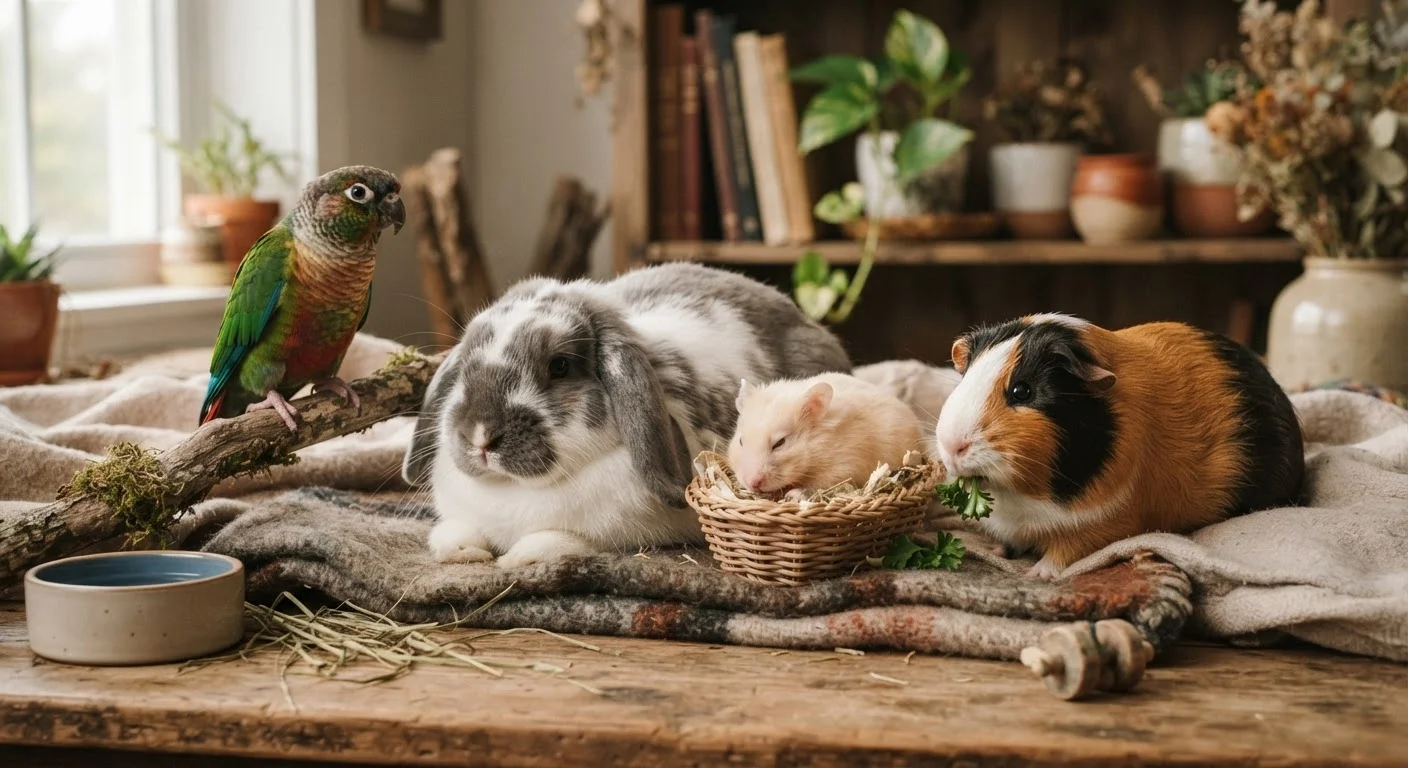
Photo: FaqExplorer.net | Informative Website editorial
Lifespan at a Glance: The Numbers by Species
One of the most consequential facts about a small pet is how long it typically lives - yet this information is frequently underestimated or misunderstood at the point of adoption. The table below summarizes typical lifespan ranges for common small and specialty pets. These are population-level estimates; individual animals vary based on genetics, diet, housing, and veterinary care.
The contrast between species is striking. A Syrian hamster may live just two to three years, while a well-cared-for sulcata tortoise can exceed 70 years. A rabbit adopted by a family with young children may still be in the home when those children leave for college. Understanding this before acquiring a pet - not after - shapes nearly every other care decision you'll make.
For a broader view of what species work within constrained living situations, see our guide on small pets suited to apartment living, which also touches on activity and space needs that intersect with long-term commitment.
What Long-Term Ownership Actually Involves
Lifespan numbers only become meaningful when paired with an honest picture of what care looks like across those years. A species that lives 10-15 years doesn't require the same level of attention each year - needs shift significantly as animals age.
Early Life
Young animals often require the most active socialization and habitat calibration. Rabbits and guinea pigs benefit from early, consistent handling to reduce fear responses. Young birds need structured social interaction to prevent behavioral problems that become entrenched in adulthood. This is also when dietary habits are established - a critical window that shapes long-term health.
Middle Years
For most species, the middle years represent the most stable care period. Routine veterinary checkups, appropriate diet, and environmental enrichment remain essential, but emergency care is statistically less frequent. This is the period owners often describe as the "easiest," though complacency here can accelerate decline later.
Senior Life
Aging small animals commonly develop arthritis, dental disease, tumors, and organ decline. Rabbits and guinea pigs are especially prone to dental problems as they age. Rats - despite their short 2-3 year lifespan - frequently develop respiratory illness and mammary tumors in their final year. Senior care often means more frequent vet visits, dietary adjustments, and modified housing. The financial reality of small pet ownership includes these escalating late-life costs, which owners rarely factor in at adoption.
Veterinary Care Frequency Changes With Age
It's also worth examining common misconceptions before committing. Our piece on small pet myths that can cause real harm addresses assumptions - like hamsters being "low-maintenance" - that can lead to welfare problems across an animal's entire life.
Species-Specific Considerations and Planning Ahead
Long-lived specialty pets present unique planning challenges that shorter-lived animals do not.
Parrots and Long-Lived Birds
Large parrots - macaws, cockatoos, African greys - routinely live 40 to 80 years, often outliving their primary caregivers. Responsible ownership of these species includes estate planning: formally documenting who will care for the bird if the owner becomes incapacitated or dies. Bird welfare organizations report that inadequate succession planning is a leading cause of rehomed parrots exhibiting severe behavioral distress. If you're setting up the environment for a long-lived bird, our guide to safe bird habitats walks through the physical and environmental standards these animals require across decades.
Tortoises and Reptiles
Many tortoises and some lizards outlive human lifespans under good care. Prospective owners should research hibernation requirements, UV lighting needs, and temperature management - all of which must be sustained for decades, not months.
Short-Lived Species and Emotional Preparedness
Hamsters, mice, and some rat breeds live only one to three years. For families with children, this compressed timeline can mean confronting pet loss relatively quickly after adoption - an experience that, while difficult, can be handled meaningfully with appropriate preparation. If a hamster or gerbil is being considered, understanding the differences between these species before committing helps set accurate expectations for both lifespan and daily care demands.
This article provides general educational information about small pet care. It is not a substitute for professional veterinary advice. Always consult a licensed veterinarian regarding the health and welfare of your specific animal.
The content on this site is provided for informational purposes only and should not be considered a substitute for professional advice. While we strive to provide accurate and up-to-date information, we make no guarantees regarding its completeness or accuracy. Always consult a qualified professional for advice specific to your circumstances before making any decisions.