
Megapixels Are Only Part of the Story: How to Read a Phone Camera Spec Sheet

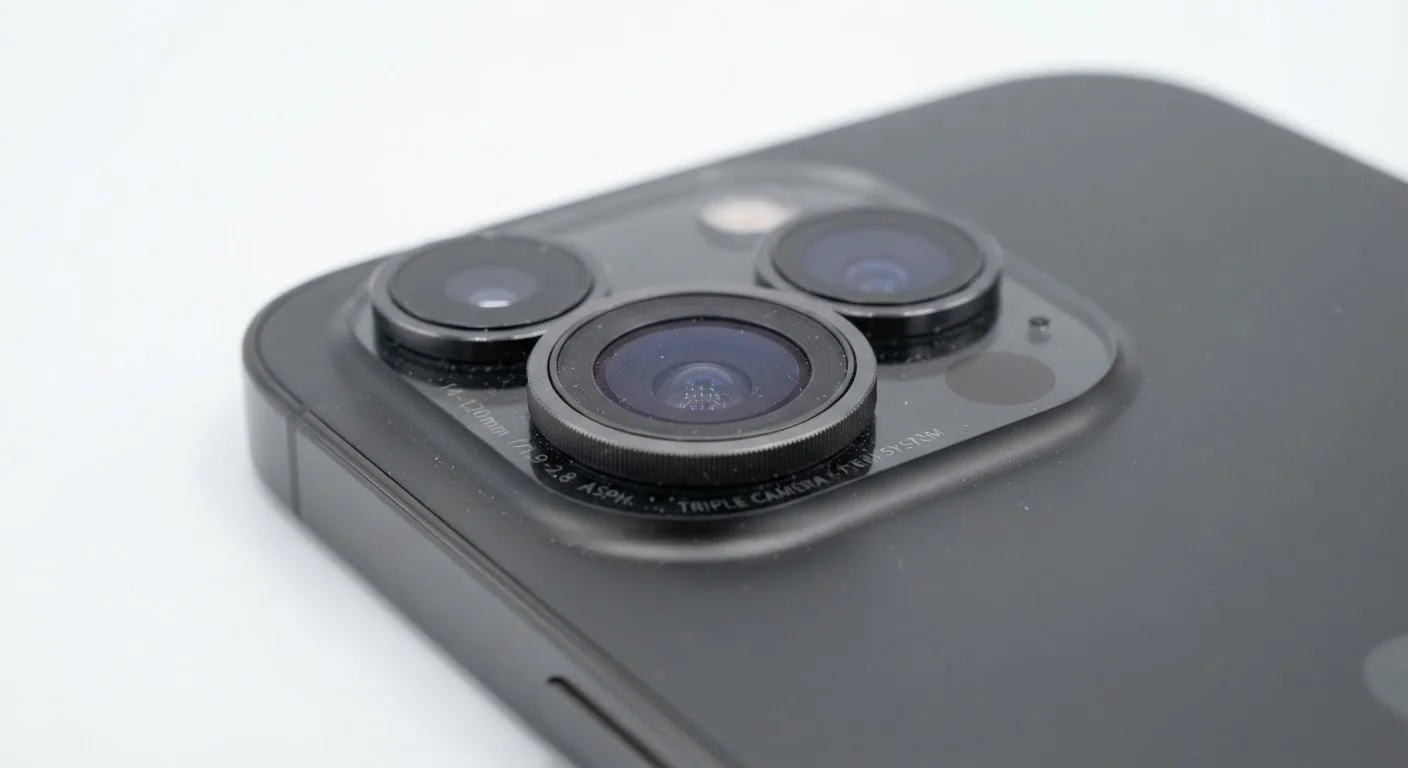
Photo: FaqExplorer.net | Informative Website editorial
Key Takeaways
- Megapixel count measures resolution only, not overall image quality.
- Sensor size has a greater influence on low-light performance than megapixels do.
- Aperture (f-number) controls how much light reaches the sensor - lower is better in dim conditions.
- Computational photography and software processing can significantly close hardware gaps.
- Optical zoom and digital zoom are fundamentally different; only optical zoom preserves true detail.
- Reading multiple specs together gives a far more accurate picture than any single number.
Why Megapixels Became the Default Shorthand
Megapixels entered the consumer vocabulary as an easy proxy for camera quality in the early digital camera era - and they never really left. A megapixel equals one million pixels, and more pixels mean a higher-resolution image that can be printed larger or cropped more aggressively without losing detail. That much is true. The problem is that resolution is only one dimension of image quality, and for most everyday photography on a phone screen or social media, it's rarely the limiting factor.
Modern phone cameras routinely ship with 48 MP, 64 MP, or even 200 MP sensors. Yet two phones at opposite ends of that range can produce images where the difference is essentially invisible unless you're printing billboard-sized output. What separates genuinely better camera results is a combination of other specs - and software - that rarely earn the same headline attention. Just as chip core counts can mislead buyers about performance, megapixel numbers alone mislead buyers about camera capability.
The Specs That Actually Drive Image Quality
Sensor size is arguably the most consequential spec you're least likely to see advertised. Measured in fractions of an inch (e.g., 1/1.28"), a physically larger sensor has bigger individual pixels that capture more light per shot. More light means less digital noise - the grain and mottling that degrades photos in dim rooms, restaurants, or evening outdoor scenes. When comparing two phones with identical megapixel counts, the one with the larger sensor will almost always perform better in challenging light.
Aperture is expressed as an f-number, such as f/1.8 or f/2.4. Counterintuitively, a smaller f-number means a wider aperture opening. A wider aperture allows more light to reach the sensor, which again helps in low-light situations and also creates the shallow depth-of-field (background blur) effect many photographers seek. Most phone lenses have fixed apertures, so this number is worth checking before assuming a camera will handle indoor or nighttime shooting.
1/1.28"
Sensor size found in some flagship phones
Sensor dimensions of 1/1.28 inch or larger represent a significant leap in light-gathering capability compared to typical mid-range phone sensors around 1/2.55 inch.
f/1.4-f/1.8
Aperture range in top-tier wide camera lenses
Phone cameras with apertures in this range allow roughly two to four times more light than those with f/2.8, making a measurable difference in low-light and indoor photography.
5x
Common optical zoom magnification in flagship phones
Many current flagship phones offer 3x to 5x optical zoom via a periscope telephoto lens; zoom beyond that range typically involves digital cropping.
Optical versus digital zoom is a distinction that matters enormously in practice. Optical zoom uses a physically separate telephoto lens to bring a subject closer without cropping the image - detail is preserved. Digital zoom is just software interpolation: the phone crops into the existing sensor frame and enlarges the result, which degrades sharpness proportionally. A spec sheet listing "10x zoom" means very little without clarifying how much of that range is optical.
What Software Brings to the Equation
Computational photography - the processing a phone applies to images using its chip's image signal processor (ISP) and AI algorithms - has fundamentally changed what "camera quality" means. Techniques like multi-frame HDR (high dynamic range), night mode, and semantic segmentation (identifying objects to sharpen or blur selectively) can produce results that far exceed what the raw hardware specs would predict.
This is why two phones with similar sensor and aperture specs can produce noticeably different results: the software pipeline matters. It also means that spec sheets, on their own, can't tell you what you actually need to know. Published camera samples, independent camera benchmark scores, and hands-on reviews - particularly in lighting conditions similar to your own usage - remain irreplaceable tools for evaluation.
For a broader understanding of how hardware numbers translate to real-world device behavior, it's worth reviewing what other phone specs actually mean before making a final decision. Similarly, the same principle of numbers-don't-tell-everything applies to how phone battery capacity actually translates to all-day life.
How to Read a Camera Spec Sheet Practically
When you encounter a camera spec listing, work through it in this order of priority. First, look for sensor size - even an approximation gives you meaningful context. Second, check the aperture of the main (wide) lens; an aperture of f/1.8 or lower is a meaningful indicator for low-light use. Third, assess zoom: distinguish optical zoom range from the total stated zoom range, and note whether a dedicated telephoto lens is present.
Fourth, look at video specs only if video matters to you - 4K at 30fps is a baseline, while 4K at 60fps or higher frame rates indicate a more capable video pipeline. Finally, treat megapixels as a tiebreaker rather than a headline. If two phones are otherwise well-matched across the specs above, higher resolution may offer a useful advantage for cropping flexibility.
Understanding specs in context, rather than in isolation, is the approach that consistently produces better buying decisions - whether you're evaluating cameras, screen resolution, or RAM and storage numbers.
Specs Vary by Camera Module on Multi-Lens Phones
Frequently Asked Questions
The content on this site is provided for informational purposes only and should not be considered a substitute for professional advice. While we strive to provide accurate and up-to-date information, we make no guarantees regarding its completeness or accuracy. Always consult a qualified professional for advice specific to your circumstances before making any decisions.